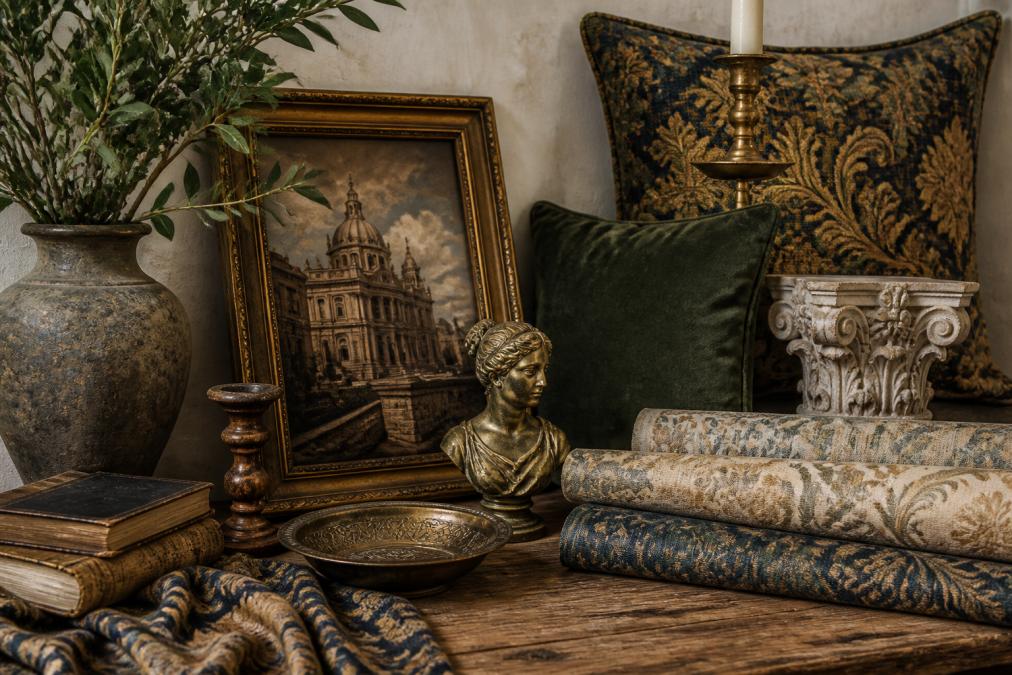
 listicle
10 Affordable Renaissance Inspired Decor Ideas
Table of Contents
- 10 Affordable Renaissance Inspired Decor Ideas
- 1. Tapestries and Fabric Wall Hangings
- 2. Ornate Frames and Gallery Walls
- 3. Candlelight and Atmospheric Lighting
- 4. Velvet Upholstery and Draping Techniques
- Renaissance Color Palettes and Earthy Tones
- Affordable Art History Wall Art for Home
- Renaissance Interior Design Elements on a Budget
- 5. DIY Banners, Flags, and Custom Textile Projects
- Frequently Asked Questions
Last Updated: August 25, 2026
10 Affordable Renaissance Inspired Decor Ideas
According to First Chair Blog market research, millennials invest $1,771 per year on home decor. This reflects a cultural shift: people treat their homes as personal sanctuaries reflecting their identity and aesthetic passions. For many, that aesthetic draws inspiration from the Renaissance period's richness, drama, and elegance. The good news: you don't need a museum curator's budget to bring Renaissance-inspired decor into your home. At RunwayandHeirloomArt, we offer affordable strategies that transform ordinary spaces into rooms with character, depth, and timeless appeal through tapestries, lighting, color, and DIY projects.
1. Tapestries and Fabric Wall Hangings
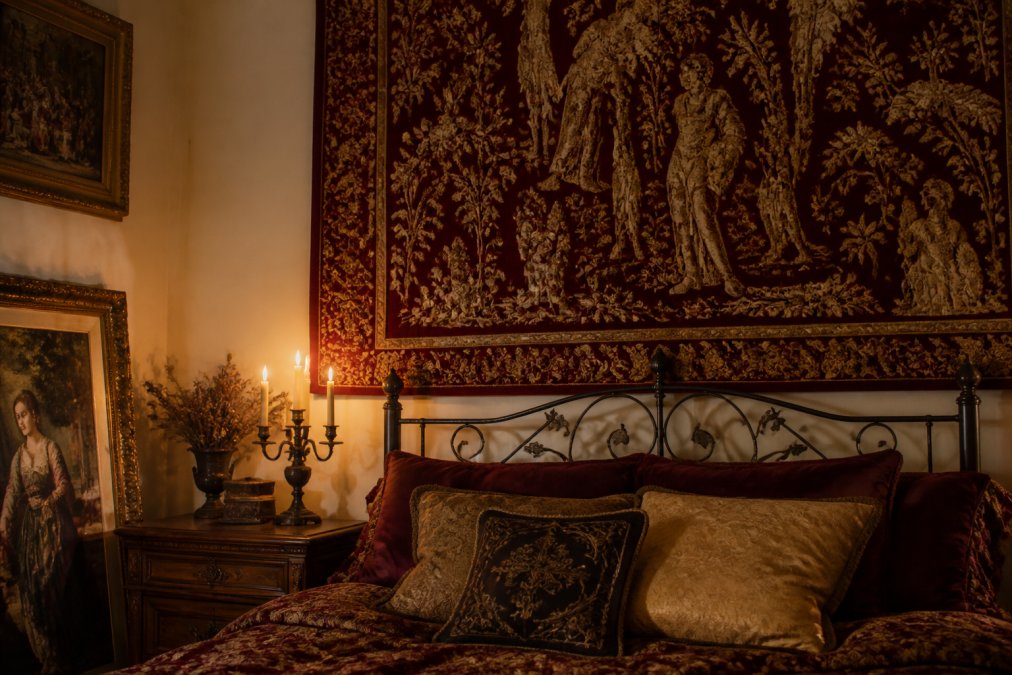
Tapestries transform blank walls into artistic statements with immediate visual impact. The Renaissance celebrated woven textiles as fine art, so choose tapestries with classical motifs: botanical patterns, mythological scenes, ornate geometric designs, or historical narratives. Look for pieces featuring jewel tones (deep burgundy, forest green, sapphire blue) combined with gold accents.
Affordable tapestries are widely available through online retailers. A medium-sized tapestry (roughly 4 feet by 6 feet) serves as a focal point without overwhelming the space. Installation is straightforward: use a tension rod, wooden dowel, or tapestry hanger. For renters, tension rods require no wall damage. Hang at eye level or slightly higher to draw the eye upward and create the illusion of taller ceilings.
2. Ornate Frames and Gallery Walls
Ornate frames elevate simple prints into statement pieces. The Renaissance celebrated elaborate frames as art objects in their own right. Building an affordable gallery wall starts with sketching your layout on paper or using painter's tape to map positions before hanging.
A cohesive gallery wall typically includes 5-9 pieces arranged in a symmetrical grid, asymmetrical cluster, or salon-style mix. Hunt for affordable ornate frames at thrift stores, estate sales, or online marketplaces, or purchase affordable reproduction frames from home decor retailers. Gold, bronze, or dark wood finishes work best for Renaissance aesthetics.
Pair ornate frames with art history prints. According to SNS Insider research on art market trends, online mediums now constitute about 18% of art transactions, substantially higher than pre-pandemic rates. This shift means printable art history reproductions are more accessible and affordable than ever. Look for prints featuring Renaissance masters, classical mythology, botanical illustrations, or historical portraits.
3. Candlelight and Atmospheric Lighting
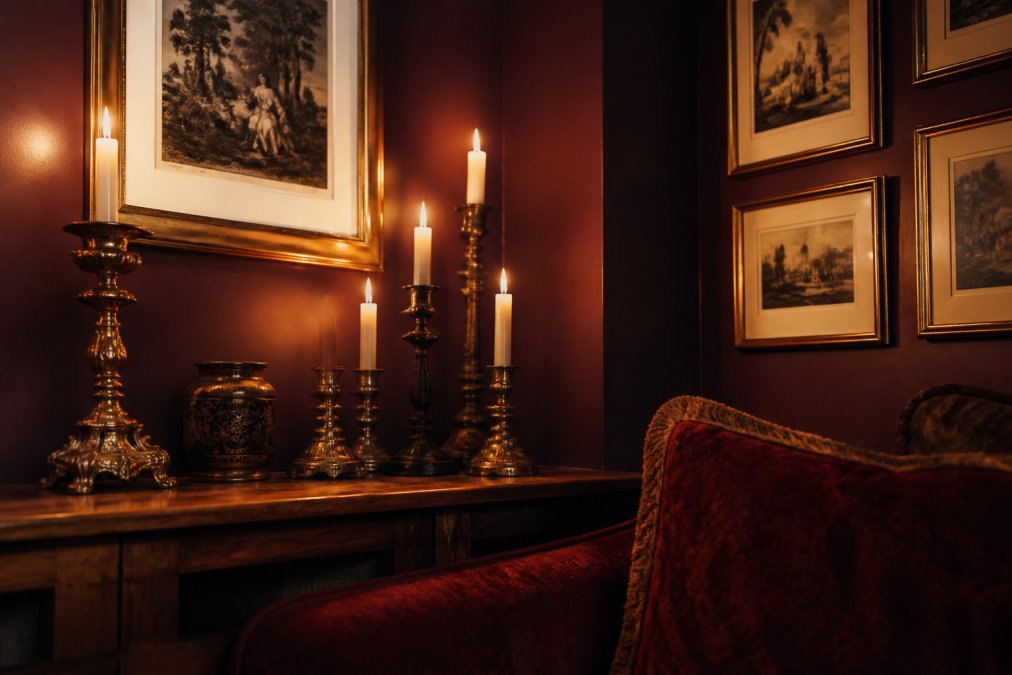
Lighting defines the mood of a Renaissance-inspired room. The Renaissance relied on candlelight, which created warm, flickering shadows that enriched jewel-toned colors. Modern lighting can replicate this effect affordably.
Start with warm-toned bulbs (2700K color temperature) that emit a golden glow similar to candlelight. Group real or high-quality flameless candles of varying heights on surfaces, mantels, shelves, and side tables. Tall candlesticks create vertical interest; shorter votive candles add intimacy. For functional lighting, consider table lamps with warm fabric shades that diffuse light warmly. Avoid harsh LED strips or bright overhead recessed lighting.
4. Velvet Upholstery and Draping Techniques
Velvet was the fabric of Renaissance nobility. Its deep color saturation, luxurious texture, and light-catching properties made it a status symbol. Today, velvet remains affordable and instantly elevates a room's perceived sophistication.
You don't need to reupholster furniture to incorporate velvet. Use velvet cushions, throws, and fabric draping to add texture and richness. A single velvet throw pillow on a modern sofa signals intentional design. For dramatic effect, drape velvet fabric over furniture or hang it as a room divider. Jewel tones, emerald, sapphire, burgundy, deep plum, work best for Renaissance aesthetics.
Fabric draping requires minimal skill. Secure fabric at the top with a tension rod, clothespins, or adhesive hooks (for renters). Let it fall naturally; slight wrinkles and folds add to the medieval aesthetic. Linen is another Renaissance-appropriate textile that's more affordable and breathable than velvet.
Renaissance Color Palettes and Earthy Tones
Renaissance interiors were anything but neutral. According to Milan Art Institute 2026 art trends research, a Baroque and Medieval revival is a top art trend for 2026, featuring jewel tones, velvet textures, ornate gold frames, and richly layered surfaces. Bold color creates emotional depth.
The Renaissance color palette centers on jewel tones combined with warm earth tones and metallic accents. Deep burgundy, forest green, sapphire blue, and rich plum form the foundation. These are grounded by warm neutrals: cream, ivory, warm gray, terracotta, and ochre. Gold, bronze, and copper metallics tie the palette together.
Implement this palette strategically. Paint one accent wall in a deep, rich color, perhaps forest green or burgundy, and keep other walls neutral. Layer jewel-toned textiles, artwork, and furnishings throughout the room. Earthy tones prevent Renaissance-inspired rooms from feeling costume-like. A terracotta area rug grounds a room in warmth. Cream linen curtains soften bold wall colors. The 2026 interior design trend toward "Vintage Renaissance" emphasizes character and curation over matching sets.
Affordable Art History Wall Art for Home
Wall art is the easiest, most affordable way to establish Renaissance aesthetic. Focus on high-quality reproductions of Renaissance masterworks and art history pieces rather than hunting for expensive originals.
Printable art, digital downloads you print at home or through an online service, costs $5-20 per piece. You can own reproductions of works by Botticelli, Leonardo, Raphael, or Michelangelo for the price of a coffee. The U.S. online art market was valued at $3.28 billion in 2025 and is projected to reach $6.33 billion by 2035, according to SNS Insider online art market analysis, growing at a compound annual rate of 6.8%. This reflects a cultural shift: people increasingly view art as accessible, personal, and integral to home identity.
Choose art history prints thoughtfully. Classical mythology works beautifully in Renaissance contexts. Botanical illustrations were beloved by Renaissance naturalists and remain timeless. Historical portraits add gravitas. At RunwayandHeirloomArt, we offer art history-inspired prints in watercolor and oil painting styles, including pieces from our Art Deco Prints and Oil Painting Prints collections. Size matters: a single large print (24x36 inches or larger) creates more impact than several small ones and anchors a room.
Renaissance Interior Design Elements on a Budget
Smaller design elements create cumulative impact. Mirrors with ornate frames reflect light and create the illusion of space. An ornate gold or bronze-framed mirror hung opposite a window multiplies natural light. Wooden furniture with carved details adds architectural interest; thrift stores are goldmines for affordable vintage pieces. Wrought iron accents like candelabras, wall sconces, or decorative hangings evoke medieval and Renaissance aesthetics. Geometric and checkerboard patterns introduce visual interest through area rugs, cushion covers, or wall stenciling. Latticed window treatments evoke Renaissance architecture; lattice window screens or curtains add period-appropriate detail. Stained glass effects using adhesive window film create the effect of medieval stained glass without permanent installation.
5. DIY Banners, Flags, and Custom Textile Projects
DIY textile projects allow you to personalize your space while keeping costs minimal. Heraldic banners featuring heraldic designs, monograms, or personal symbols can be created using fabric paint, embroidery, or iron-on transfers on plain linen or cotton fabric. Hang from wooden dowels or curtain rods.
Pennant flags cut from fabric scraps or vintage fabric and strung together with twine create a festive, medieval-market aesthetic. Fabric wall stenciling uses fabric paint and stencils to add geometric patterns, floral designs, or heraldic symbols to plain fabric. Embroidered cushion covers with Renaissance-inspired motifs like floral patterns, geometric designs, or monograms add handmade authenticity. Fabric collage wall art combines fabric scraps in complementary colors and textures arranged on canvas or backing fabric, then framed.
| DIY Project | Materials Cost | Time Required | Skill Level | Impact |
|---|---|---|---|---|
| Heraldic banners | $10-20 | 2-3 hours | Beginner | High, custom focal point |
| Pennant flags | $5-15 | 1-2 hours | Beginner | Medium, festive accent |
| Fabric stenciling | $15-25 | 2-4 hours | Intermediate | High, personalized pattern |
| Embroidered cushions | $5-15 per cover | 3-5 hours | Intermediate | Medium, handmade detail |
| Fabric collage art | $10-20 | 2-3 hours | Beginner | Medium, textured wall art |
Creating a Renaissance-inspired home doesn't require a museum budget or professional designer. The key is intentionality: choose textiles, lighting, and art that reflect the period's richness and drama, then layer them thoughtfully. Start with one or two foundational elements, a tapestry, a color palette, atmospheric lighting, then build from there.
At RunwayandHeirloomArt, we believe artwork should tell a story. Whether you're drawn to art history, seeking character for a nursery, or wanting to express your personal aesthetic, our curated collection of art-history-inspired prints offers affordable, distinctive pieces designed to become part of your home's narrative. Explore our Art Deco Prints and Oil Painting Prints collections to discover pieces that resonate with your Renaissance vision.
=== FAQ ANSWERS (audit these too, same rules) ===
[1] Q: How can I incorporate Renaissance inspired decor into a modern apartment without damaging walls? A: Rental-friendly Renaissance decor relies on removable solutions. Use adhesive strips to hang tapestries and lightweight frames, drape velvet fabric from curtain rods, and position ornate mirrors against walls rather than hanging them. Freestanding furniture like vintage-style shelving units and upholstered chairs add period details without permanent changes. Focus on textiles, layered rugs, throw pillows in jewel tones, and fabric wall hangings, which can move with you.
[2] Q: What are the key Renaissance interior design elements I should prioritize on a budget? A: Start with color: deep burgundy, forest green, gold, and earthy tones create instant Renaissance atmosphere. Add tapestries or fabric draping for texture. Incorporate ornate frames around affordable art history wall art for home, and use candlelight or warm-toned lamps for atmospheric lighting. Velvet upholstery, geometric patterns, and wrought iron accents follow. Prioritize one or two statement pieces, an oversized tapestry or gilded mirror, rather than spreading your budget thin.
[3] Q: Are digital prints and reproductions authentic enough for Renaissance inspired decor? A: Yes. Digital art history prints capture the aesthetic and storytelling of Renaissance and Baroque works without the cost of originals. Oil painting reproductions and watercolor prints offer authentic visual impact. What matters is selecting pieces with period-accurate subjects, classical figures, floral motifs, architectural details, and framing them ornately. Many interior designers in 2026 prefer textured prints that interact with light over flat reproductions, creating depth and visual interest.
[4] Q: What's the best way to source affordable Renaissance inspired decor materials? A: Mix new and upcycled pieces. Buy affordable velvet fabric from craft stores for draping, source ornate frames from thrift shops or online marketplaces, and search for vintage tapestries at estate sales. Digital art prints offer immediate, budget-friendly options. DIY projects, custom banners, stained glass window film effects, checkerboard accent pieces, stretch your budget further. Prioritize quality over quantity; one striking piece outperforms multiple mediocre items.
Frequently Asked Questions
How can I incorporate Renaissance inspired decor into a modern apartment without damaging walls?
Rental-friendly Renaissance decor relies on removable solutions. Use adhesive strips to hang tapestries and lightweight frames, drape velvet fabric from curtain rods, and position ornate mirrors against walls rather than hanging them. Freestanding furniture like vintage-style shelving units and upholstered chairs add period details without permanent changes. Focus on textiles, layered rugs, throw pillows in jewel tones, and fabric wall hangings, which can move with you.
What are the key Renaissance interior design elements I should prioritize on a budget?
Start with color: deep burgundy, forest green, gold, and earthy tones create instant Renaissance atmosphere. Add tapestries or fabric draping for texture. Incorporate ornate frames around affordable art history wall art for home, and use candlelight or warm-toned lamps for atmospheric lighting. Velvet upholstery, geometric patterns, and wrought iron accents follow. Prioritize one or two statement pieces, an oversized tapestry or gilded mirror, rather than spreading your budget thin.
Are digital prints and reproductions authentic enough for Renaissance inspired decor?
Yes. Digital art history prints capture the aesthetic and storytelling of Renaissance and Baroque works without the cost of originals. Oil painting reproductions and watercolor prints offer authentic visual impact. What matters is selecting pieces with period-accurate subjects, classical figures, floral motifs, architectural details, and framing them ornately. Many interior designers in 2026 prefer textured prints that interact with light over flat reproductions, creating depth and visual interest.
What's the best way to source affordable Renaissance inspired decor materials?
Mix new and upcycled pieces. Buy affordable velvet fabric from craft stores for draping, source ornate frames from thrift shops or online marketplaces, and search for vintage tapestries at estate sales. Digital art prints offer immediate, budget-friendly options. DIY projects, custom banners, stained glass window film effects, checkerboard accent pieces, stretch your budget further. Prioritize quality over quantity; one striking piece outperforms multiple mediocre items.
This article was written using GrandRanker