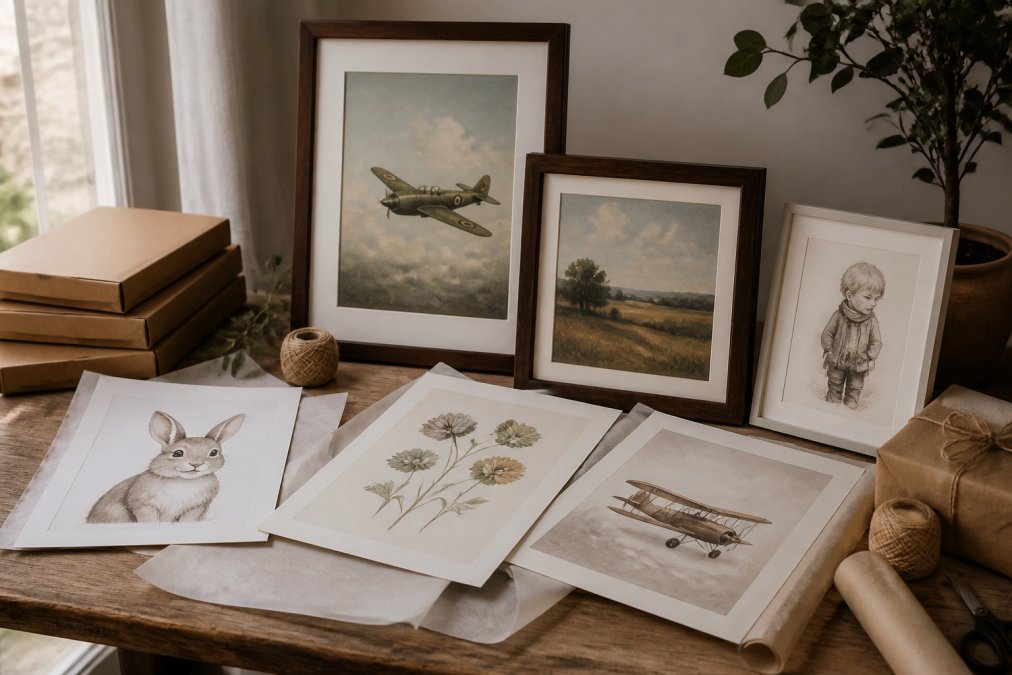
 listicle
Curated Art Prints for Sentimental Gifts: 2026 Guide
Table of Contents
- Why Curated Art Prints Make Meaningful Sentimental Gifts
- Understanding Print Quality and Archival Standards
- How to Frame Art Prints for Gifts: Presentation Matters
- Choosing Art Based on Recipient Personality and Space
- Unique Housewarming Gifts for Art Lovers: Curated Selections
- Selecting the Right Print Size and Wall Placement
- Sustainability and Ethical Sourcing in Art Prints
- Maintaining and Preserving Your Art Prints Long-Term
- Frequently Asked Questions
Last Updated: August 26, 2026
Why Curated Art Prints Make Meaningful Sentimental Gifts
Curated art prints stand apart from mass-produced alternatives as truly meaningful gifts. According to Deloitte's 2025 gift-giving research, 76% of consumers say personalized gifts are more meaningful than generic ones. At RunwayandHeirloomArt, we've observed that thoughtfully chosen art pieces become part of a home's emotional landscape.
When you select a print reflecting someone's personality, interests, or cherished memories, you communicate that you understand them. Research from Florida State University confirms that expressing gratitude through thoughtful gestures strengthens our sense of connection. Art prints achieve this because they're both personal and permanent, unlike flowers that fade, a well-chosen print can hang on a wall for decades as a daily reminder of the giver's thoughtfulness.
According to Shopify's 2025 gift-giving analysis, personalized gifts see 48% lower return rates than non-personalized gifts, indicating that recipients genuinely value art they've received. The U.S. personalized gifts market was valued at USD 9.69 billion in 2024 and is expected to reach USD 14.56 billion by 2030, growing at a CAGR of 7.03%.
What makes curated art prints different is intentionality. A curated selection means prints have been thoughtfully gathered for their ability to resonate with specific recipients, occasions, and spaces, whether a nature-inspired landscape for an outdoor enthusiast, an aviation print for a pilot, or a whimsical nursery piece for new parents.
Understanding Print Quality and Archival Standards
The difference between a print that lasts for decades and one that fades within years comes down to materials and production methods. High-quality art prints use archival-grade inks and papers specifically formulated to resist fading, yellowing, and deterioration.
Archival quality refers to materials designed to preserve artwork for 100+ years without significant fading. The best fine art prints use pigment-based inks rather than dye-based alternatives. Pigment inks are more stable, fade-resistant, and produce richer colors. Museum-quality fine art papers (typically 100% cotton rag or acid-free) provide longevity and professional appearance that standard papers cannot match.
When evaluating print quality, look for these specifications:
- Pigment-based inks: More stable and fade-resistant than dye-based alternatives
- Acid-free, lignin-free paper: Prevents yellowing and deterioration over time
- Weight and texture: Fine art papers typically range from 200-310 gsm (grams per square meter)
- Giclée printing: A high-quality inkjet process that produces museum-grade results
Giclée printing applies pigment-based inks in fine layers, creating prints with exceptional color depth and archival properties. This method is preferred by artists and galleries because it produces results comparable to original paintings while remaining affordable for gift-giving. Collections like Oil Painting Prints and Watercolor Art showcase how quality production methods bring depth and richness to fine art reproductions.
A print made on standard inkjet paper with consumer-grade inks may look beautiful initially but will fade within 3-5 years, especially in sunlit rooms. A print made with archival materials and professional production methods will remain vibrant for a lifetime, making it a true heirloom gift.
How to Frame Art Prints for Gifts: Presentation Matters
The way you present an art print dramatically influences how the recipient perceives and values it. Framing transforms a print into a finished work of art and signals that you've invested thoughtfulness into every detail.
Framing protects the print from dust, fingerprints, and environmental damage while anchoring it within a room's design scheme. For curated art prints for sentimental gifts, proper framing is often the difference between a gift that gets tucked away and one that becomes a treasured focal point.
When selecting a frame, consider these elements:
Frame Style and Material:
- Wood frames: Timeless and versatile; natural finishes complement most décors
- Metal frames: Modern and sleek; effective for minimalist or contemporary spaces
- Floating frames: Create a contemporary look where the print appears to float behind glass
Matting Choices: A mat creates visual breathing room around the print and protects the artwork from touching the glass. Use acid-free materials to prevent deterioration. Neutral whites, creams, and grays work universally.
Glass and Acrylic: Museum glass filters harmful ultraviolet light, significantly extending the print's life. It's an investment, but for sentimental gifts meant to last, it's worthwhile. Acrylic is lighter and more affordable but scratches more easily.
Size Considerations: Frame size should be proportional to the wall space where it will hang. A small 5x7 print looks lost on a large blank wall, while an oversized frame can overwhelm a modest space.
Professional framing costs vary depending on materials and complexity, but even simple framing elevates a print significantly. Many galleries and frame shops offer consultation services, while quality ready-made frames from specialty retailers provide a middle ground between DIY simplicity and custom framing costs.
Choosing Art Based on Recipient Personality and Space
The most successful art gifts are selected with the recipient's personality, lifestyle, and living space in mind. This is where the "curation" in curated art prints becomes essential.
Start by considering what draws your recipient's attention. Does she spend weekends hiking? A landscape print featuring mountains or woodland scenes will resonate. Is he an aviation enthusiast? Aviation artwork becomes more than decoration, it's a reflection of his identity. Are they new parents? Whimsical pieces designed for children's spaces carry meaning beyond aesthetics. Understanding the recipient's passions ensures the art print feels personally relevant.
Next, assess the space where the print will live. A print chosen without considering the recipient's home décor risks clashing with existing colors, styles, or design themes. Consider the room's dominant color palette, whether the style is modern or traditional, and what wall space is available.
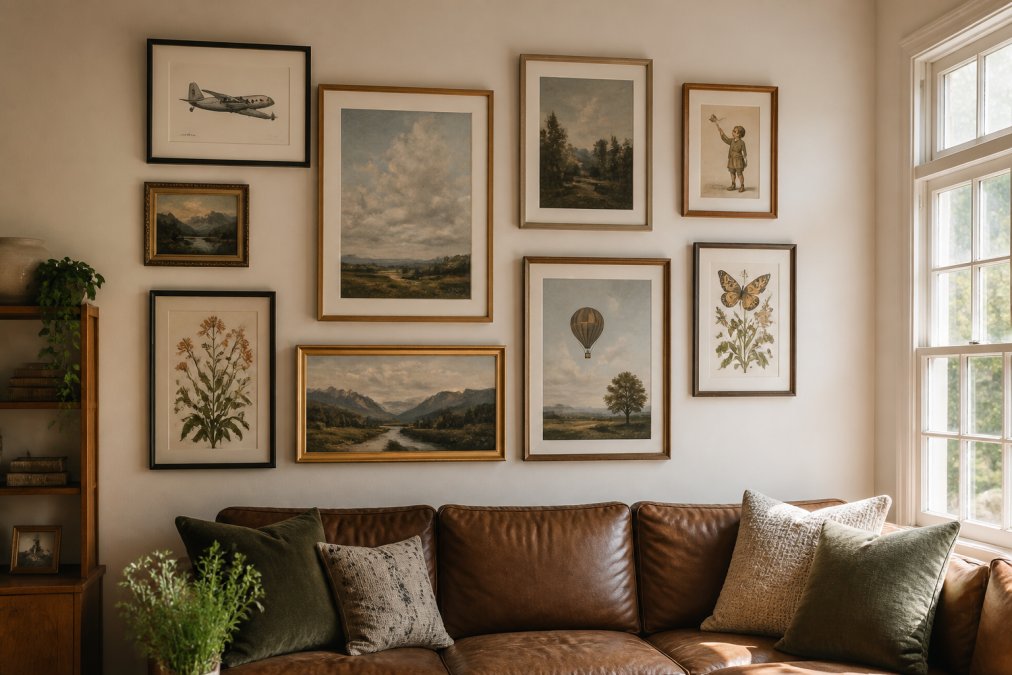
Matching Art to Personality Types:
For the nature lover: Landscape photography, botanical illustrations, and nature-inspired artwork resonate deeply. According to FinerWorks Help & Support, nature-inspired artwork, particularly botanical illustrations, florals, forests, mountains, and coastlines, continues to be a strong seller in 2026.
For the history and culture enthusiast: Art history-inspired pieces, heritage prints, and museum-quality reproductions appeal to those who value cultural knowledge and aesthetic sophistication. Art Deco Prints and vintage-inspired collections capture this aesthetic beautifully.
For the minimalist: Clean lines, limited color palettes, and abstract compositions work best. Avoid busy, detailed pieces.
For the eclectic personality: Someone who embraces bold colors and mixed styles appreciates contemporary art and pieces that challenge conventional aesthetics.
For the nostalgic individual: Vintage-inspired prints, retro designs, and pieces evoking specific eras create emotional resonance. Collections featuring Classic Cars, Trains and Railroads, and Historic Aviation Prints appeal to those who cherish mid-century design and transportation history.
Unique Housewarming Gifts for Art Lovers: Curated Selections
Housewarming gifts present a unique challenge: you're selecting something for a space you may not have seen. Art prints are ideal housewarming gifts because they work across styles, budgets, and spaces.
Nature-Inspired and Landscape Prints
Nature-inspired artwork dominates the curated art prints market for good reason. These pieces create a sense of calm and balance in any space, qualities that make them perfect for someone settling into a new home. Landscapes featuring mountains, forests, coastlines, and serene natural scenes appeal universally.
When selecting nature prints as housewarming gifts, consider the recipient's connection to specific environments. Someone who grew up near the ocean might treasure a coastal landscape. A person who hikes regularly might cherish a mountain vista. Warm minimalism and organic abstracts are also popular in 2026, with buyers preferring warmth and organic shapes with earthy tones.
Art History and Heritage-Inspired Pieces
For recipients who appreciate culture and history, art history-inspired prints offer intellectual and aesthetic appeal. Museum-quality reproductions of classic paintings and art deco designs carry a sense of timelessness that transcends trends. These prints work particularly well in studies and offices where they anchor the room's design and demonstrate the owner's cultural awareness.
Personalized and Memory-Filled Artwork
The most emotionally resonant housewarming gifts often incorporate personal elements, a print capturing a specific memory, celebrating a shared experience, or reflecting the recipient's identity. A personalized print might feature coordinates of the recipient's new address, a map of a meaningful location, or imagery tied to a cherished memory. These pieces transcend typical décor because they're uniquely theirs. Subtlety often works better than literal representation, a print inspired by the recipient's favorite place creates emotional resonance without feeling overly sentimental.
Selecting the Right Print Size and Wall Placement
Print size and placement determine whether a piece becomes a focal point or fades into the background. The relationship between print size and wall space follows basic design principles. A small 5x7 print requires careful placement in galleries or intimate spaces. A medium 11x14 print serves as a secondary focal point. A large 18x24 or 24x36 print commands attention as the primary focal point.
Consider the wall's dimensions and what else occupies the space. A 24x36 print on a 10-foot wall creates visual balance. The same print on an 8-foot wall feels cramped.
Standard Print Sizes and Their Best Uses:
- 5x7: Small accent pieces, gallery walls, intimate spaces
- 8x10: Versatile size for most rooms, works as primary or secondary focal point
- 11x14: Medium focal point, suitable for bedrooms and offices
- 16x20: Strong focal point for living rooms and dining areas
- 18x24 or larger: Dominant focal point, requires significant wall space
Placement height matters as much as size. The center of the artwork should be at eye level when standing, approximately 57-60 inches from the floor.
Sustainability and Ethical Sourcing in Art Prints
Thoughtful gift-givers increasingly consider the environmental and ethical implications of their purchases. Curated art prints for sentimental gifts can align with these values when sourced responsibly.
Sustainable art print production prioritizes eco-friendly, archival inks; papers made from responsibly managed forests or recycled materials; and production processes that minimize waste and environmental impact.
When selecting prints as gifts, consider:
Paper Sourcing: Look for prints on papers certified by the Forest Stewardship Council (FSC) or made from post-consumer recycled content.
Ink Formulations: Eco-friendly pigment-based inks reduce harmful chemical emissions. Many premium print studios now use vegetable-based or low-VOC (volatile organic compound) inks.
Independent and Emerging Artists: Supporting independent artists often means purchasing from small studios with minimal environmental footprint and commitment to responsible production.
Local Production: Prints produced locally reduce transportation emissions and strengthen local creative communities.
The shift toward quality and intentionality in art purchases benefits both the environment and the art world. Buyers investing in fewer, intentional pieces reduce overall consumption while supporting artists who prioritize craft and sustainability.
Maintaining and Preserving Your Art Prints Long-Term
A sentimental gift's value extends far beyond its initial presentation. Proper care and maintenance ensure that the art print remains beautiful and vibrant for decades, truly becoming an heirloom.
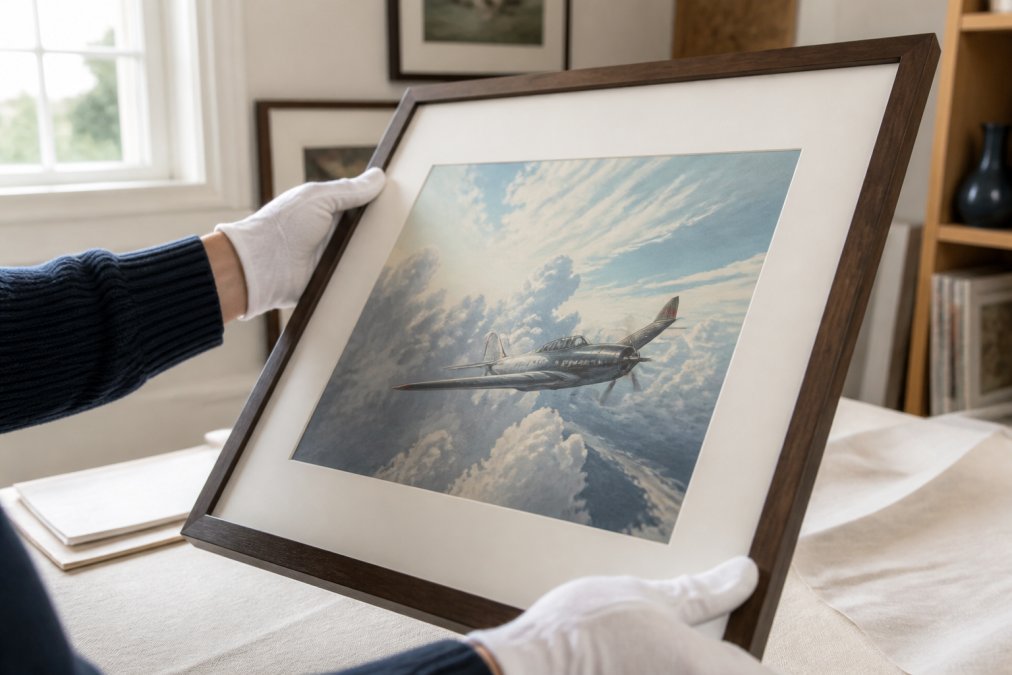
Environmental Factors:
Light exposure is the primary threat to print longevity. Direct sunlight fades pigments over time, even with archival inks and papers. Position prints away from south-facing windows or use UV-filtering glass. Indirect natural light is ideal.
Temperature and humidity fluctuations also affect prints. Extreme heat causes paper to become brittle, while excessive moisture promotes mold and warping. Maintain stable room temperatures (ideally 65-75°F) and humidity levels (30-50%). Avoid hanging prints in bathrooms or kitchens where steam and temperature changes are constant.
Handling and Cleaning:
Handle framed prints minimally and always with clean, dry hands. If cleaning is necessary, use a soft, dry brush or microfiber cloth. Never use water or chemical cleaners on the print itself.
Storage:
If prints need temporary storage, keep them in acid-free boxes in a cool, dry location. Never store prints in basements or attics where temperature and humidity fluctuate dramatically.
Framing Maintenance:
Periodically inspect framed prints for signs of damage, fading, discoloration, or frame deterioration. Quality frames with proper sealing protect prints from dust and environmental contaminants.
Professional Conservation:
For prints with significant sentimental value, professional conservation services can address damage and ensure preservation for future generations.
The most meaningful gifts aren't always the most expensive, they're the ones that reflect genuine understanding of the recipient. Curated art prints for sentimental gifts accomplish this by combining beauty with personal relevance, creating pieces that recipients genuinely want to display and preserve. When you select a print that resonates with someone's passions, memories, or aesthetic vision, you're offering a daily reminder that they're truly seen and valued. At RunwayandHeirloomArt, we believe that's what transforms a print into an heirloom.
Frequently Asked Questions
Q: How do I know if curated art prints will actually match my home décor and last long-term?
Curated art prints from independent artists and studios like Runway & Heirloom Art are created with intentionality and archival-quality materials designed to endure. Look for prints made on fine art papers or canvas with acid-free, fade-resistant inks. The emotional resonance of a carefully chosen piece, one that reflects your personality or a cherished memory, often matters more than exact color matching. Quality prints see 48% lower return rates than mass-produced alternatives, showing that thoughtful curation truly resonates with recipients and homeowners.
Q: What makes curated art prints better gifts than mass-produced wall decor?
Curated art prints tell a story and reflect intentional artistic choices, while mass-produced options prioritize volume over meaning. Seventy-six percent of consumers say personalized or thoughtfully selected gifts feel more meaningful than generic alternatives. Curated collections often feature independent artists, heritage-inspired designs, and artistic genres that create emotional resonance. When you choose a curated art print as a gift, you're giving someone a piece that acknowledges their personality, passions, or memories, not just filling wall space.
Q: How do I choose a sentimental art print as a gift for someone I don't know well?
Focus on universal themes and aesthetic qualities rather than personal inside jokes. Nature-inspired artwork, landscape photography, and warm minimalism appeal across demographics and home styles. When selecting a housewarming gift, consider the recipient's lifestyle: aviation enthusiasts appreciate aviation-themed prints, while art lovers value pieces from independent artists or art history collections. In a 2026 buyer survey, 71% of respondents said 'The recipient will display it' was a key decision factor, followed by 'It captures a specific memory' (68%). Choose pieces with broad emotional appeal and timeless artistic merit.
Q: What are the best themes for sentimental art gifts?
Nature-inspired artwork, particularly botanical illustrations, forests, mountains, and coastlines, remains consistently popular. Art history-inspired pieces and heritage designs appeal to those seeking cultural connection and nostalgia. Personalized prints that capture a recipient's passions, whether aviation, childhood memories, or a beloved place, create lasting emotional impact. Warm minimalism and organic abstracts with earthy tones are trending in 2026 as buyers prefer artwork that creates calm and visual harmony. Memory-filled custom layouts, when done subtly, age better than overly literal personalization with names or dates.
This article was written using GrandRanker