 how-to
How to Choose Original Art for a New Apartment
Table of Contents
- Start With Your Space: Measure and Plan Before You Buy
- How to Choose the Right Size Wall Art for Your Space
- Build Your Color Palette and Match Existing Décor
- First Apartment Wall Art: Choosing Style and Subject Matter
- Apartment Wall Art Ideas: Creating a Collected Look
- Renter-Friendly Art Hanging Ideas and Display Methods
- Buying Original Art as a First-Time Collector
- Frequently Asked Questions
Last Updated: October 10, 2026
Start With Your Space: Measure and Plan Before You Buy
The first step when you choose original art for a new apartment is understanding your space. Measure your walls, assess your layout, and plan before you purchase anything.
Assess your wall dimensions and layout
Measure the wall's height and width in inches. Note windows, doors, and outlets, these determine what size artwork will work and where it can hang safely.
Next, consider the wall's purpose. Is it the first thing people see when entering? Does it face your seating area? A focal wall gets more visual weight than a secondary space.
Take photos of the wall from different angles. Step back at least 6 feet and view it as visitors would.
Account for furniture placement and room flow
Your furniture layout determines where art works best. The wall behind a sofa or opposite a bed typically draws the most attention. Consider how people move through the room and where their eyes naturally rest.
The center of your artwork should align with eye level when seated, typically 57-60 inches from the floor.
Check for obstructions. Tall furniture, plants, or shelving can block the view of your art. Ensure the artwork has breathing room and isn't competing with other visual elements.
How to Choose the Right Size Wall Art for Your Space
Selecting the right scale is crucial. Art that's too small disappears. Art that's too large overwhelms. The size should feel intentional and balanced with your furniture and wall dimensions.
Apply the two-thirds rule
Your artwork should cover roughly two-thirds of the wall space above your furniture. If your sofa is 8 feet wide, aim for a piece around 5 feet wide.
Scale artwork to your furniture
Larger furniture needs larger art. A small apartment with modest furnishings calls for proportionally smaller pieces.
A tall bookshelf or headboard pairs well with art that reaches similar heights. If your wall is very tall, a single large piece often works better than multiple smaller ones stacked vertically.
Build Your Color Palette and Match Existing Décor
Original art should complement your existing furniture, walls, and accessories. This doesn't mean matching exactly, it means creating harmony.
Identify your room's dominant colors. Your artwork should either echo these colors or introduce a complementary accent that enhances the space.
If your apartment has a modern aesthetic, consider art with clean lines and a limited color palette.
Test colors before committing. Print a small image and tape it to the wall for a few days. Morning and evening light affect color perception dramatically.
First Apartment Wall Art: Choosing Style and Subject Matter
Your personal taste matters more than design rules. When you choose original art, it should reflect what speaks to you, not what you think should be on your walls.
Identify your personal taste and aesthetic
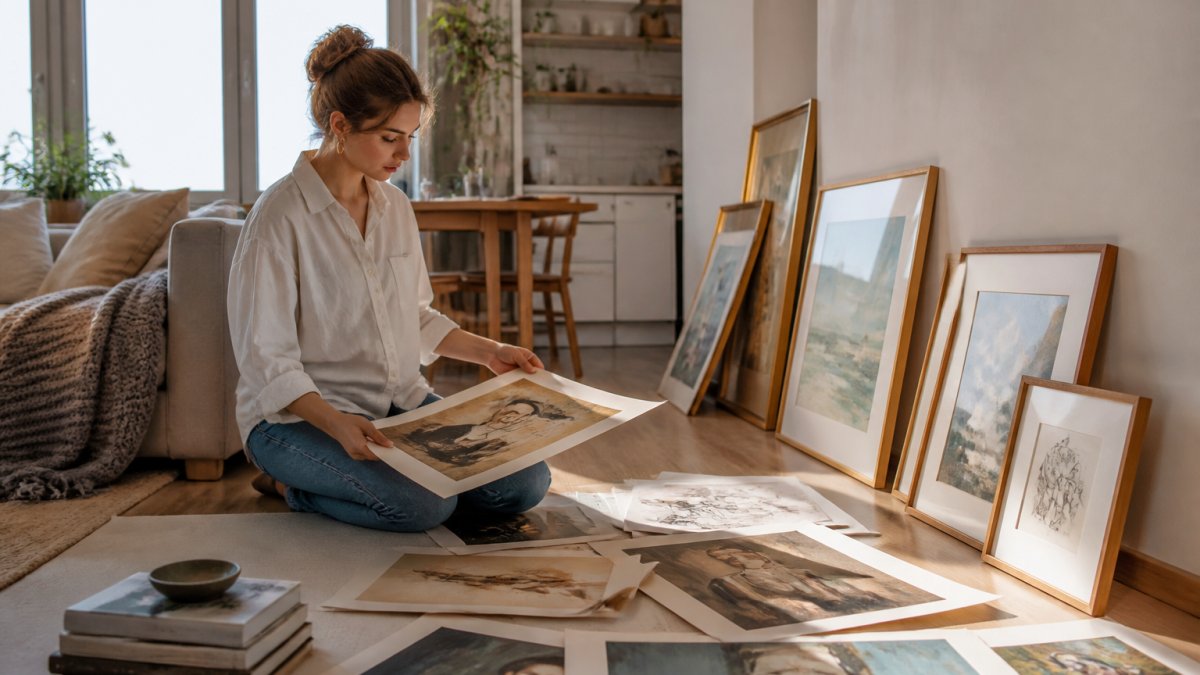
Identify what you're drawn to. Browse galleries, follow artists on social media, and visit museums. Notice patterns in what captures your attention.
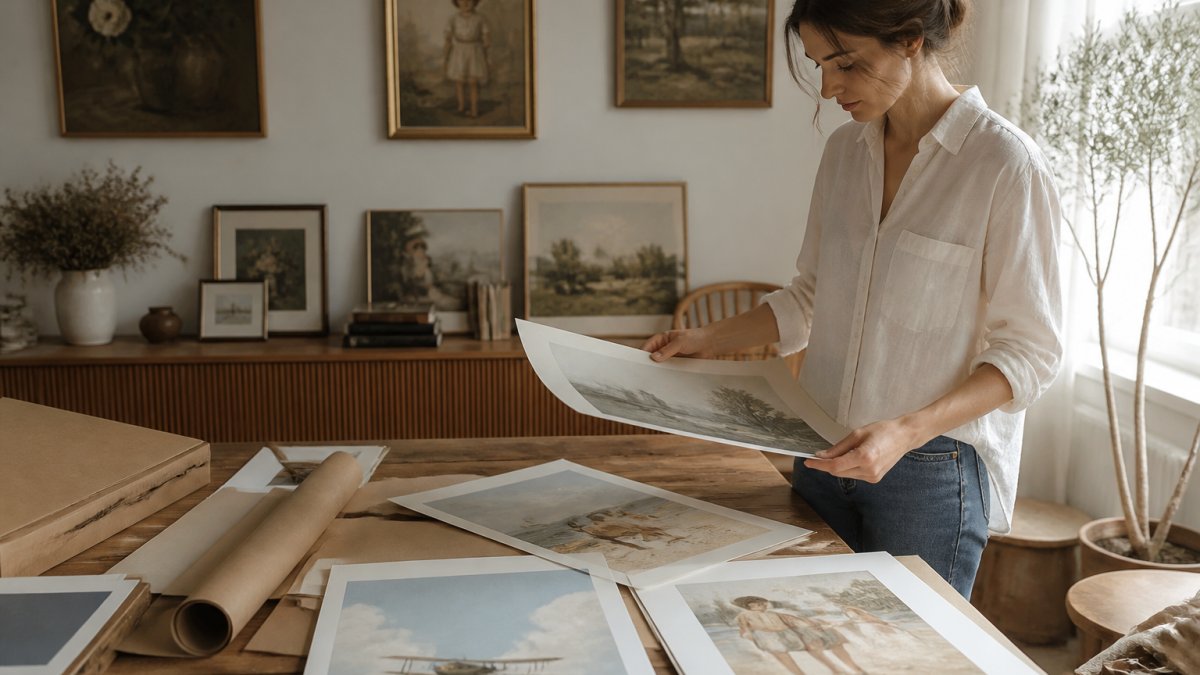
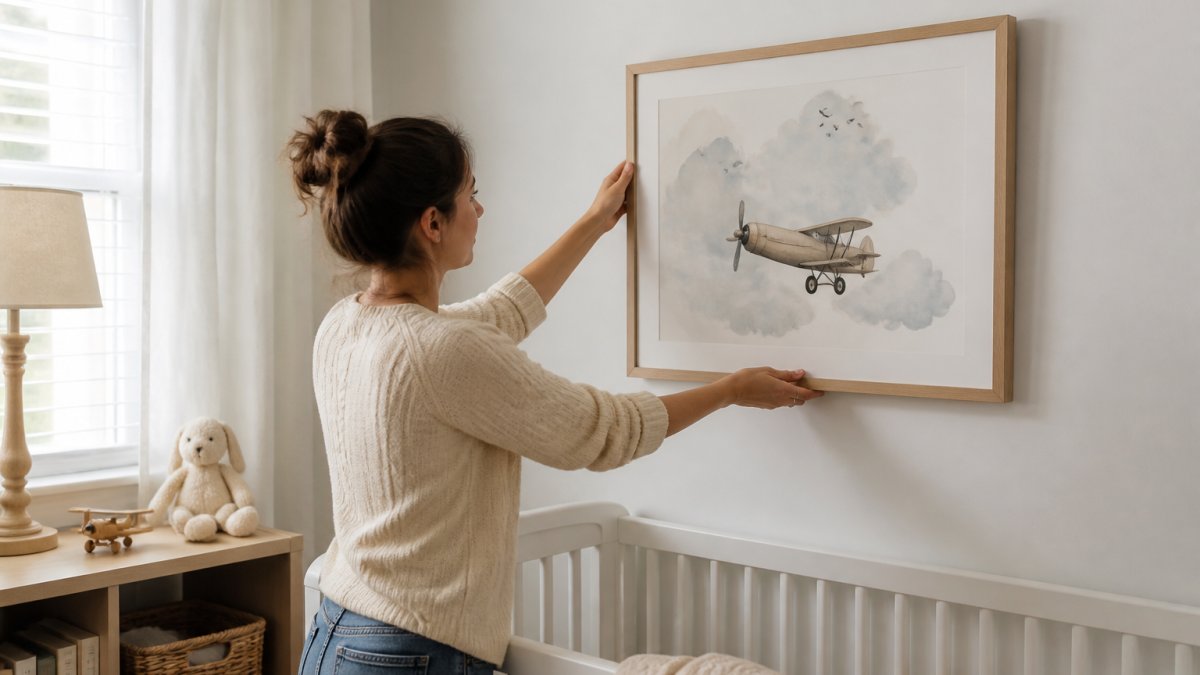
Consider your life story and interests. Are you passionate about aviation, history, nature, or culture? A collector of aviation history might choose historic aviation prints that celebrate flight and exploration.
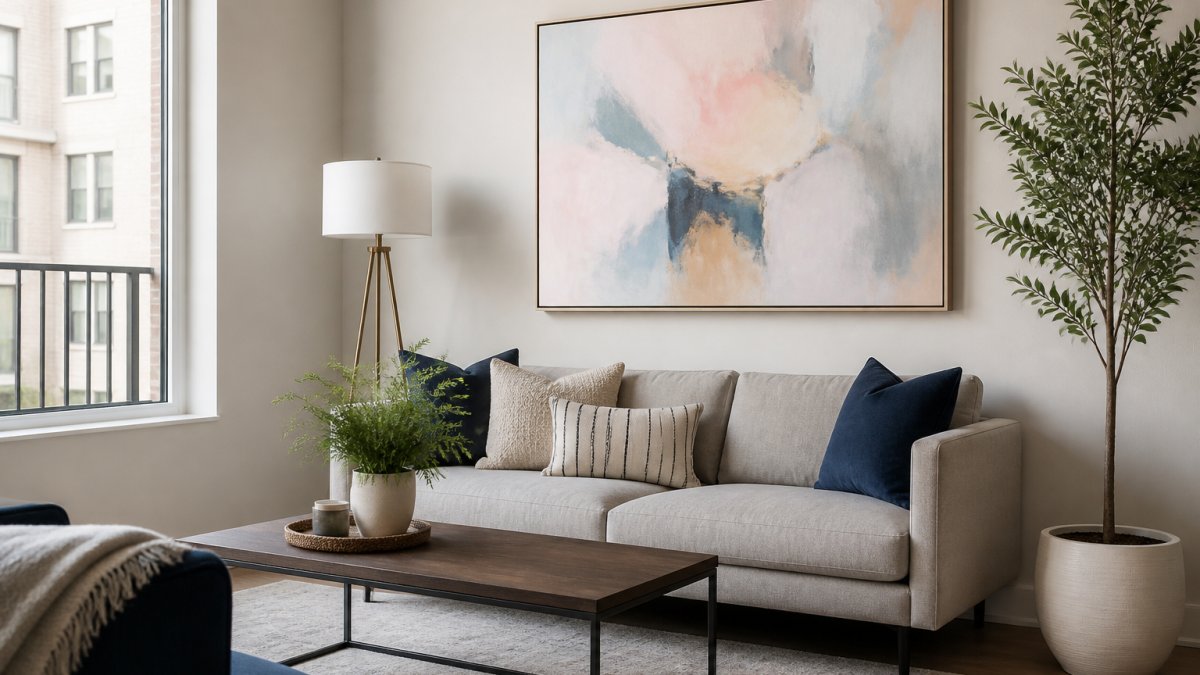
Original art versus prints: what's the difference?
Original art is a one-of-a-kind piece created by an artist. Prints are reproductions. Both have value but differ in authenticity, longevity, and cost.
Original paintings carry the artist's hand and visible brushstrokes. Prints offer beautiful designs at lower cost and can last decades without fading.
For a first apartment, consider your budget and attachment to the space. Quality prints make sense if you're likely to move within a few years. Original art is worth the investment if you're building a long-term home.
Apartment Wall Art Ideas: Creating a Collected Look
A collected look means your walls tell a story about you, not a story designed by an interior designer. It's intentional without feeling overdone.
Single statement pieces versus gallery walls
A single large artwork anchors a room and makes a bold statement without clutter. This works beautifully in smaller apartments or minimalist spaces.
A gallery wall clusters multiple artworks to create a unified composition. Gallery walls require careful planning, misaligned pieces or poorly chosen combinations look chaotic rather than curated.
For first apartments, start with a single statement piece. You can always add more art later as your space and taste evolve.
Mix and match styles and subjects
A collected home doesn't require matching sets. You can mix styles, subjects, and mediums as long as each piece connects to your story.
Every piece should be there for a reason. You love it, it means something to you, or it complements your space meaningfully.
Renter-Friendly Art Hanging Ideas and Display Methods
Many renters worry about damaging walls. Fortunately, modern hanging solutions make displaying original art safe and temporary.
Damage-free hanging options for rental walls
Command strips and adhesive hooks remove cleanly without damaging paint or drywall. For lighter original art prints, follow weight limits carefully.
Easels or leaning displays avoid wall damage for smaller pieces. Picture rails provide elegant, damage-free hanging for larger pieces.
Temporary display solutions that look permanent
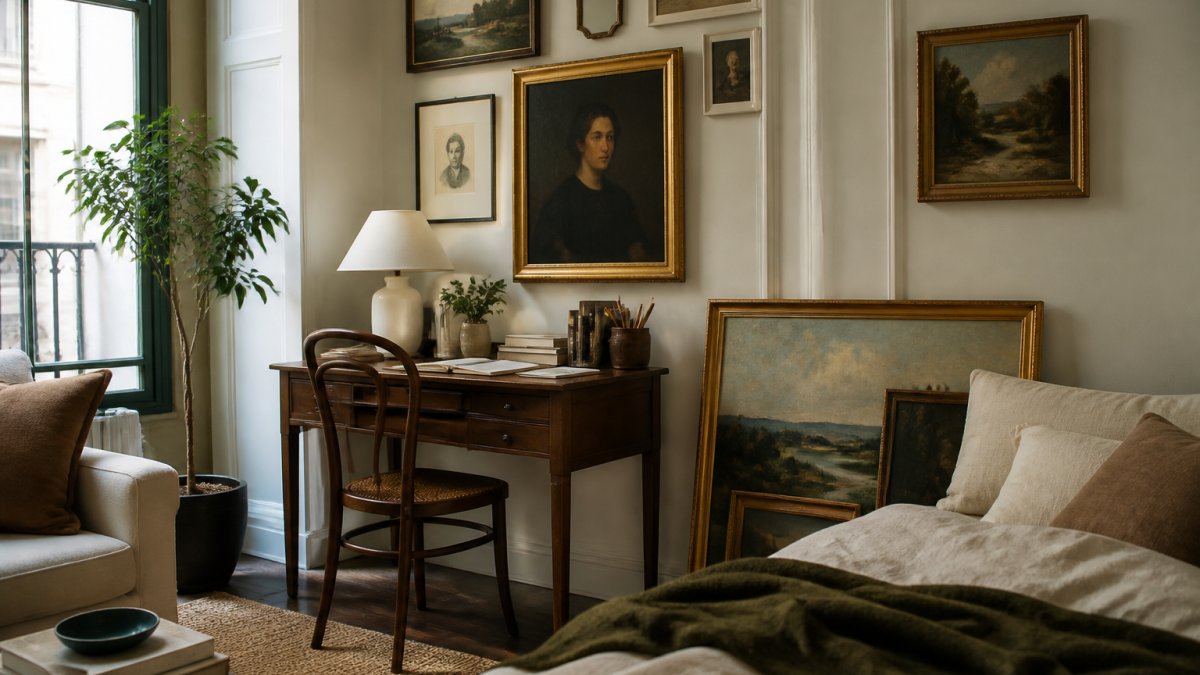
Lean artwork against the wall on a shelf or console table to create a gallery effect without wall damage.
Floating shelves display smaller original art pieces and offer flexibility for rearranging without permanent changes.
Buying Original Art as a First-Time Collector
Understanding where to buy, what to expect to pay, and what questions to ask helps you make confident choices.
Where to find original art
Direct from artists: Websites, Instagram, and artist portfolios offer the best prices and direct access. Many artists offer payment plans.
Online galleries and marketplaces: Platforms like Etsy, Saatchi Art, and Artsy curate original work and offer buyer protection.
Local galleries: Gallerists educate you about artists and sometimes negotiate prices.
Art fairs and pop-ups: Meet artists directly, see multiple styles, and negotiate prices. Prices are often lower than gallery prices.
Auction sites: Reputable auction houses sell authenticated original art but typically require higher budgets ($1,000+) and add buyer's premiums (10-25%).
Understanding price ranges by artist level
Emerging artists (0-5 years exhibiting, limited collector base): Original paintings or drawings typically $200-$1,500. Limited-edition prints $50-$300. These artists are building their reputation and often price affordably.
Mid-career artists (5-15 years exhibiting, regional or national recognition): Original work $1,500-$10,000+. Limited-edition prints $300-$1,500. These artists have proven track records and collector bases.
Established/represented artists (15+ years, gallery representation, museum exhibitions): Original work $5,000-$50,000+. Limited-edition prints $1,000-$5,000+. These artists have strong market demand and investment potential, but entry costs are high.
For a first apartment on a typical budget, emerging and early mid-career artists offer the best value.
Payment options and financing
Many artists and galleries offer payment plans. Always confirm terms in writing before committing.
Buy-now-pay-later services (Affirm, Klarna, PayPal Credit) are increasingly accepted by online galleries and artists. These typically offer 3-12 month payment plans with interest rates ranging from 0% (promotional periods) to 30%.
Credit cards with rewards can make sense if you pay the balance immediately. You earn points or cash back while building purchase history with the seller.
Layaway or hold agreements: Some galleries will hold a piece for 30-60 days while you save. Get the agreement in writing, including the hold period and any deposit required.
Vetting the seller and verifying authenticity
Before purchasing, research the seller:
- Check reviews: Look for feedback on Etsy, Google, or the gallery's website. Red flags include complaints about authenticity, shipping damage, or misrepresentation.
- Verify artist credentials: Visit the artist's official website or social media. Do they have a consistent body of work? Do they exhibit or have gallery representation? Legitimate artists maintain an online presence.
- Ask for documentation: Reputable sellers provide certificates of authenticity, artist bios, and material information without hesitation. If a seller refuses or seems evasive, walk away.
- Request high-resolution images: Ask for close-up photos showing brushstrokes, texture, and any imperfections. This confirms the piece is authentic and helps you assess condition.
- Confirm shipping and insurance: Original art should be shipped with full insurance and professional packing. Ask about return policies in case the piece arrives damaged.
Hidden costs to budget for
Beyond the artwork price, plan for:
- Framing: Professional framing depends on frame style and glass type. UV-protective glass adds to the cost.
- Shipping: Shipping depends on size and weight.
- Installation hardware: Picture hooks, wire, and anchors cost $10-$30. Damage-free adhesive hooks cost $5-$15 per pack.
- Insurance: If you're collecting valuable pieces, consider art insurance. Policies typically cost 1-2% of the artwork's value annually.
Budget accordingly.
Red flags and what to avoid
- "Authentic reproductions" or "museum-quality copies": These are prints, not originals. If authenticity matters to you, confirm the piece is truly original.
- Sellers with no online presence or reviews: Legitimate artists and galleries maintain websites and customer feedback. New sellers are fine, but they should have clear communication and policies.
- Pressure to buy immediately: Reputable sellers don't rush you. Take time to research and decide.
- Prices that seem too good to be true: If an established artist's work is selling for 80% below market rate, investigate why. It may be a reproduction, a forgery, or stolen.
- No return or exchange policy: Original art should come with a reasonable return window (typically 14-30 days) in case of damage or misrepresentation.
Your first purchase strategy
Start with a piece from an artist you genuinely connect with. Ask the seller every question that comes to mind, legitimate artists enjoy educating collectors. Once you've made your first purchase, you'll feel more confident buying again. Many collectors find that their first piece becomes their favorite, not because it's the most expensive, but because it marks the beginning of their collecting journey.
Frequently Asked Questions
What is the two-thirds rule when choosing original art?
The two-thirds rule helps you choose the right size wall art for any wall. Your artwork should be roughly two-thirds the width of the furniture below it (like a sofa or console table). This creates visual balance and prevents the piece from looking too small or overwhelming the space. For example, if your sofa is 72 inches wide, aim for artwork around 48 inches wide. This proportion feels intentional and anchors the room.
How do I hang original art in a rental apartment without damaging walls?
Renter-friendly art hanging ideas include adhesive strips rated for your artwork's weight, which remove cleanly without leaving marks. Damage-free options like picture rail systems or leaning large frames against walls also work well. Always check your lease first, and test any adhesive on a small area. When you move, these methods leave your walls intact and your security deposit protected. Many renters successfully display beautiful original art using these temporary solutions.
Should I buy an original artwork or a print for my new apartment?
Original art and prints each have distinct qualities. Original paintings and drawings are unique, often appreciate in value, and carry the artist's hand and intention. Prints and reproductions are more affordable, easier to replace, and allow you to experiment with different styles. For a new apartment, consider your budget and how long you plan to stay. Original art works well if you're building a collection you'll keep; prints are ideal for testing your style before committing to larger investments.
How do I choose artwork that will match my apartment's existing décor?
Start by identifying your room's color palette, furniture style, and overall mood. Pull colors from existing pieces, throw pillows, rugs, or wall paint, and look for artwork that either complements or intentionally contrasts with them. Consider the room's subject matter too: if your space feels modern and minimal, a busy gallery wall may clash, while a single large piece creates focus. Personal taste matters most; choose art that speaks to you and feels cohesive with your space's story.