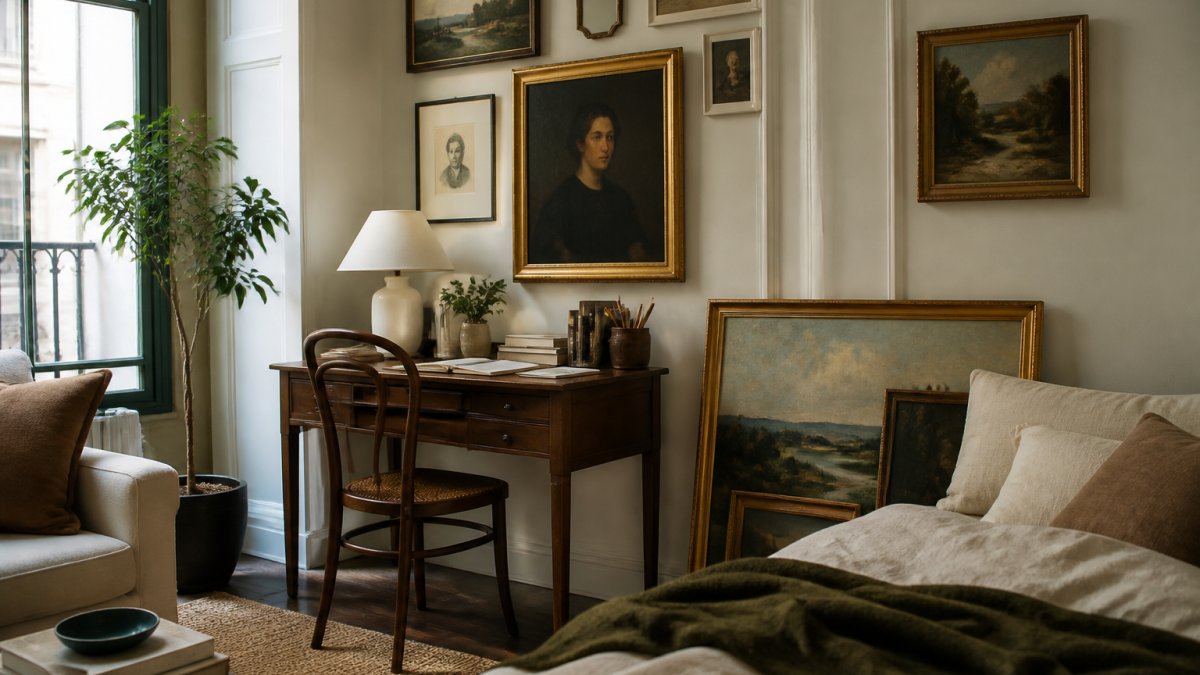
 how-to
How to Style Classic Art in a Small Apartment
Table of Contents
- Start With a Plan: Scale, Palette, and Placement
- Small Apartment Wall Art Ideas That Add Color and Personality
- Art Size Guide for Small Rooms: Getting the Proportions Right
- Gallery Wall Ideas for Small Spaces (Without the Clutter)
- Mixing Classic Art With Modern Decor in a Studio or Condo
- Frames, Mats, Lighting, and Protecting Your Art
- Room-by-Room Layouts for Small Apartments
- Common Mistakes to Avoid When Styling Classic Art
- Frequently Asked Questions
Last Updated: October 4, 2026
Start With a Plan: Scale, Palette, and Placement
Classic art rewards planning. Before you buy a single print, decide three things: how big the piece should be, which colors it will echo, and where it will hang.
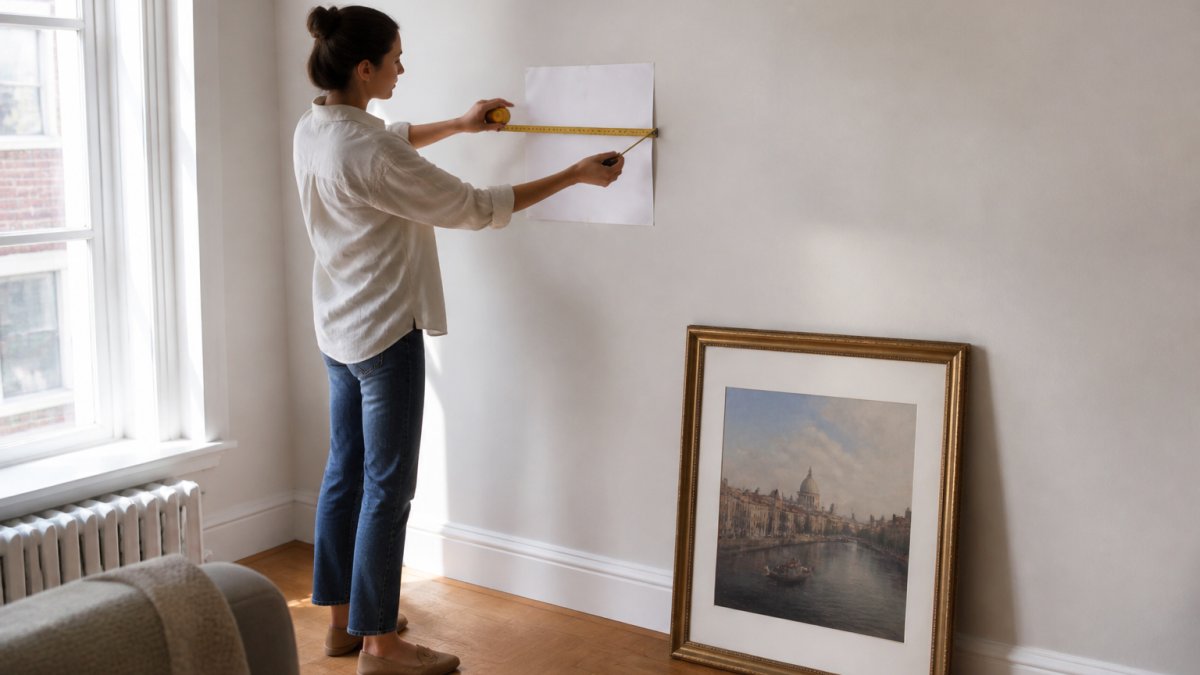
This guide from Runway & Heirloom covers how to style classic art interior design in small apartments without making the room feel crowded. The approach is simple: measure first, choose color second, hang last.
Measure Before You Buy
Measure the wall, not the room. A small apartment can carry a large piece if the wall has open space around it.
- Measure the wall's width and height in inches
- Note where outlets, switches, and vents sit
- Mark the furniture the art will sit above
Match the Palette to the Room
Pull one color from the art and repeat it elsewhere. A rug, a throw pillow, or a lamp shade will do. This single move ties a classic piece to a modern room.
Restrained colors work best in small rooms. Let the artwork carry the boldest hue.
Small Apartment Wall Art Ideas That Add Color and Personality
Art is the cheapest way to add color to a rental. Paint costs more and takes longer to undo. A single framed print changes the whole mood of a room in an afternoon.
Designers often suggest adding color with artwork in small apartments, and it holds up in practice. The wall does the work; the furniture stays neutral.
Use Artwork as Your Color
Pick art with one strong hue and keep everything else quiet. A deep blue seascape against white walls reads as deliberate. Three bright prints competing for attention read as noise.
One Statement Piece Beats Five Small Ones
Apartment Therapy recommends introducing one large-scale statement piece to give a small space personality and pull a room together. That advice fits classic art especially well. A single large print has more presence than a cluster of small ones, and it leaves more wall bare.
Art Size Guide for Small Rooms: Getting the Proportions Right
The right size depends on the furniture below it, not the room's square footage. A common rule: the art should span about two-thirds to three-quarters of the furniture's width.
For a sofa 72 inches wide, aim for art 48 to 54 inches wide. For a bed, match the headboard width or slightly narrower.
| Furniture Below | Furniture Width | Art Width Target |
|---|---|---|
| Loveseat | 60 in | 40-45 in |
| Sofa | 72 in | 48-54 in |
| Queen bed | 60 in | 40-45 in |
| Console table | 48 in | 32-36 in |
| Desk | 50 in | 34-38 in |
Hanging Height and Width Rules That Actually Work
Hang art so its center sits 57 to 60 inches from the floor. This puts the middle of the piece at eye level for most adults.
Above furniture, leave 6 to 10 inches of bare wall between the frame's bottom edge and the furniture top. Less than 6 inches looks cramped. More than 10 inches leaves the art floating.
Centering Art Over Furniture
Center the art over the furniture, not over the wall. In small apartments, those two lines rarely match. A sofa pushed off-center to make room for a door still wants its art centered above it.
Gallery Wall Ideas for Small Spaces (Without the Clutter)
A gallery wall can work in a small space if you limit the count. Three to five pieces is the sweet spot. Beyond that, the wall starts to feel busy.
Keep the gaps even. Two to three inches between frames reads as a set; uneven gaps read as a pile.
- Choose one theme: black-and-white photography, sketches, or graphic prints
- Keep all frames the same color
- Use one mat width throughout
Renter-Friendly Hanging Methods
Damage-free hooks and adhesive strips hold light frames without nails. Check the weight rating on the package before you commit.
For heavier pieces, a single small nail leaves a hole you can patch in minutes. Command strips can fail on textured walls, so test one overnight before hanging the rest.
Mixing Classic Art With Modern Decor in a Studio or Condo
Classic art and modern furniture are not opposites. The tension between them is what makes a room interesting. A gilt-framed oil painting above a clean-lined sofa looks collected, not confused.
The trick is to limit how many classic elements you use. One or two pieces carry the room. Five turn it into a museum.
Choosing Classic Styles That Fit a Modern Room
Some classic styles sit more easily in a modern room than others.
- Art Deco prints: geometric lines that echo modern furniture
- Oil painting prints: soft color that warms a white-walled room
- Watercolor pieces: light and airy, good for bedrooms and nurseries
Runway & Heirloom curates prints across these styles, from art-history-inspired pieces to aviation and nursery work, so a room can stay cohesive without every piece matching.
Frames, Mats, Lighting, and Protecting Your Art
Framing is where a classic print either reads as a collected piece or as a poster taped to the wall. The frame profile, the mat width, and the glazing all change how the artwork sits in a small room, and in a rental, they also change how easily you can take it with you.
Frame Profiles: What Works With Classic Art
A frame's width and finish do more work than its ornament. Three profiles cover most small-apartment needs:
- Narrow gallery frame (0.5-1 inch wide): lets the artwork dominate. Best for large prints on small walls, where a heavy frame would crowd the image.
- Mid-width wood frame (1-1.5 inches): the most flexible choice. A warm walnut or natural oak bridges classic subjects and modern furniture without looking period-specific.
- Ornate gilt or carved frame (2+ inches): use sparingly. One gilt frame above a clean-lined sofa reads as a deliberate contrast; three read as a theme room.
Keep every frame in a single room the same finish. Mixing black, gold, and natural wood in one sightline is the fastest way to make a small wall feel cluttered.
Mat Width and Why It Matters More Than the Frame
A mat is the visual breathing room between the artwork and the frame. In a small apartment, that breathing room is doing double duty, it separates the art from the wall and keeps the eye from feeling boxed in.
- Minimum mat width: 2 inches on each side for prints under 16 x 20 inches.
- Standard mat width: 2.5 to 3 inches for prints 16 x 20 to 24 x 36 inches.
- Wide mat: 3 to 4 inches for oversized pieces, or when you want a small print to hold a larger wall.
Keep mat width consistent across a gallery wall. Uneven mats are more distracting than uneven frames.
Glazing: Glass vs. Acrylic
- Glass is scratch-resistant and looks clearer, but it is heavy and can break in transit, a real concern for renters who move often.
- Acrylic (plexiglass) is lighter, shatter-resistant, and the standard for shipped prints. It scratches more easily, so dust with a soft cloth rather than a paper towel.
- UV-filtering glazing (available in both glass and acrylic) slows fading from sunlight. It is worth the upgrade for any piece hung within a few feet of a window.
Lighting Classic Art Without Glare
A picture light or a nearby lamp lifts the artwork off the wall, but the angle matters more than the brightness.
- Aim light from above and slightly forward, at roughly a 30-degree angle, so it washes the surface instead of reflecting into the viewer's eye.
- Keep the light source at least 12 inches from the frame's top edge. Closer than that creates a hot spot.
- For a small apartment, a plug-in picture light with a cord cover is the renter-friendly option. Hardwired picture lights require an electrician and a landlord's approval.
Protecting Art From Sun, Heat, and Humidity
- Direct sunlight: UV glazing slows fading but does not stop it. Rotate pieces every 6 to 12 months if they sit in a bright window wall.
- Heat sources: keep frames at least 12 inches from radiators, baseboard heaters, and vents. Heat dries out paper and warps frames.
- Humidity: bathrooms and kitchens are the two rooms where adhesive strips and unprotected paper both fail. Use a sealed frame with acrylic glazing if you must hang in a humid room, and skip adhesive hooks entirely.
Renter-Friendly Framing Shortcuts
- Ready-made frames with standard mat openings (8 x 10, 11 x 14, 16 x 20 inches) cost less than custom framing and fit most print sizes.
- Frame kits with acid-free backing protect the print without a custom mat, though they look less finished.
- Clip frames (two panes of glass or acrylic held by clips) are the cheapest option and work for lightweight prints, but they offer no UV protection and no mat.
Room-by-Room Layouts for Small Apartments
Each room has its own best wall. Here is where classic art tends to work hardest in a small apartment.
- Living room: one large piece above the sofa, centered
- Bedroom: a single print above the headboard, or a pair flanking it
- Studio: art on the wall opposite the bed to balance the room
In a studio apartment, treat the sleeping area and living area as separate zones. Give each zone its own art so the eye reads two rooms instead of one.
Common Mistakes to Avoid When Styling Classic Art
Most small-apartment art problems come down to four mistakes. Each one is easy to fix before you hang anything.
- Hanging too high. Art above eye level makes the ceiling feel lower.
- Choosing art that is too small. A tiny print on a big wall looks lost.
- Mixing too many frame styles. Pick one finish and stay with it.
Frequently Asked Questions
What size art works best in a small apartment?
For a small apartment, aim for art that takes up roughly 60 to 75 percent of the width of the furniture below it. On a 60-inch sofa, that means a piece around 36 to 45 inches wide. Oversized single pieces often work better than clusters of small prints because they reduce visual clutter and make the room feel intentional rather than busy.
Can you mix classic art with modern furniture?
Yes, and the contrast often improves both. A traditional oil painting print or art deco piece hung above a clean-lined modern sofa creates tension that reads as curated. Keep the frame simple, choose a restrained color palette, and let one element, either the art or the furniture, carry more visual weight. Mixing classic art with modern decor works best when you limit yourself to two or three styles total.
How should you arrange art in a small living room?
Start with the largest wall and treat it as your anchor. Hang one statement piece or a tight gallery grid centered 57 to 60 inches from the floor, measured to the center of the artwork. Keep at least 8 to 10 inches of space between the bottom of the frame and the top of the sofa. Leave the remaining walls sparser so the room has room to breathe.
How do you display art when you have limited wall space?
Use vertical space and non-wall surfaces. Stack two or three prints in a column beside a doorway, lean a larger piece on a console or bookshelf, or hang art on the inside of a closet door. Renter-friendly options like adhesive strips and picture ledges let you rotate pieces without patching holes, which is useful when your wall space is shared with windows and doors.
Styling classic art in a small apartment comes down to restraint: fewer pieces, better proportions, and one clear color story. Runway & Heirloom makes that easier with prints built around art history, aviation, and childhood themes, each designed to feel personal rather than generic. Browse the collection to find a piece that fits your wall, your palette, and your story. Get started with Runway & Heirloom and give your small space artwork worth keeping.