 ultimate-guide
How to Prevent Art Print Fading: 7 Essential Steps
Table of Contents
- Understanding What Causes Art Print Fading
- Step 1: Choose UV Protective Glass for Framing
- Step 2: Select the Best Lighting for Art Display
- Step 3: Position Artwork Away from Direct Sunlight
- Step 4: Control Humidity and Temperature
- Step 5: Use Archival-Quality Framing Materials
- Step 6: Proper Storage Techniques for Art Prints
- Step 7: Monitor and Maintain Your Framed Artwork
- Frequently Asked Questions
Last Updated: September 2, 2026
Understanding What Causes Art Print Fading
Art print fading is one of the most common threats to artwork displayed in homes and offices. The culprit isn't mysterious, it's light itself, specifically ultraviolet (UV) radiation and visible light spectrum exposure that breaks down the chemical bonds in pigments over time. When you understand what causes art print fading, you gain the knowledge to prevent it.
UV radiation and heat accelerate photodegradation, the process where light energy causes pigment molecules to degrade. Red and yellow pigments are particularly vulnerable and typically fade first, leaving prints with an unnatural blue or green cast (CanvasChamp's analysis of UV radiation in pigment breakdown). Without protection, unprotected canvas prints in direct sunlight may show noticeable fading within one to three years. Paper prints, which are more delicate, generally last 15-25 years before noticeable fading occurs unless carefully framed behind UV-protective glass and displayed away from sunlight.
The good news: fading is entirely preventable with the right approach. A dramatic case study from the American Historical Print Collectors Society illustrates this perfectly. Two identical chromolithographs were displayed side by side for 140 years, one exposed to light, the other shielded. The exposed print darkened significantly, with reds, oranges, and yellows fading substantially. The shielded print retained its original vibrancy. This isn't a coincidence. It's proof that controlling light exposure is the single most effective strategy for preserving artwork.
The steps that follow address each major threat to your prints: UV radiation, heat, humidity fluctuations, and improper storage. By implementing even a few of these methods, you'll dramatically extend the life of your art collection, whether you're displaying Watercolor Nursery Art, aviation artwork, or gallery-quality pieces.
Step 1: Choose UV Protective Glass for Framing
Selecting the right glazing material is your first line of defense against how to prevent art print fading. UV-protective glass blocks up to 99% of harmful ultraviolet rays, dramatically slowing fading and keeping colors true for decades (Lukas Griffin's guide to framing photo prints for long-term protection).
UV-Filtering vs. Standard Glass
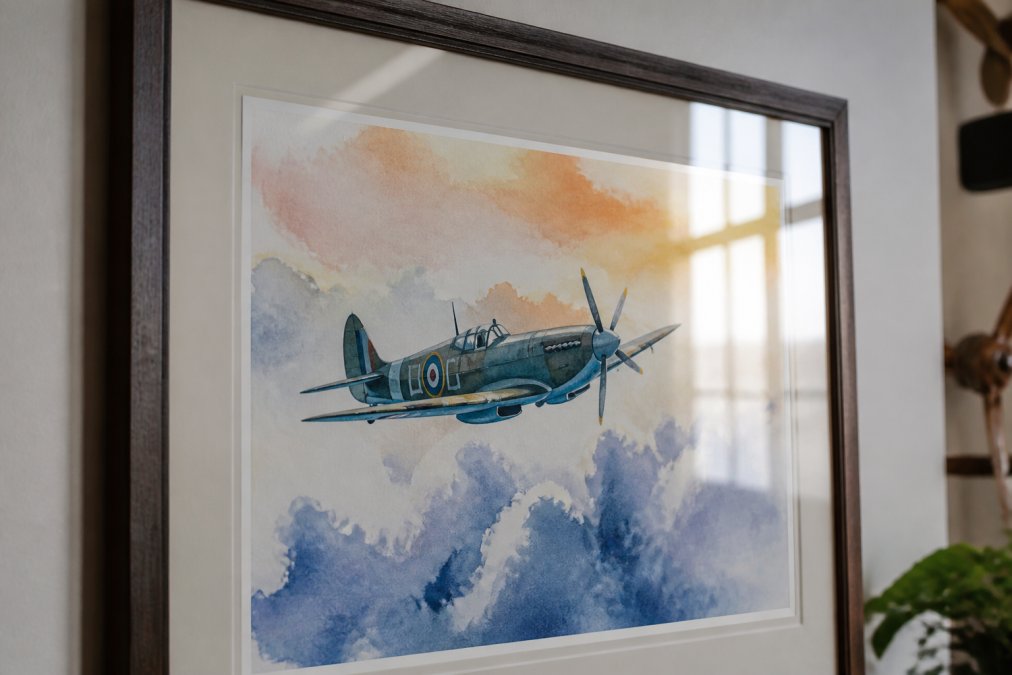
The difference between UV-filtering and standard glass is stark. Standard glass offers zero UV protection, it's purely transparent. UV-filtering glass, by contrast, contains a special coating or is treated to absorb ultraviolet wavelengths while allowing visible light through. This coating is invisible to the eye but essential for preservation.
When you frame artwork with UV-filtering glass, you're investing in longevity. According to testing by Wilhelm Imaging Research, fine art papers and canvases printed with archival pigment inks can achieve over 100 years of display life under typical framed conditions when protected with UV-filtering glazing. Dark storage life can exceed 300 years in controlled environments.
The trade-off is minimal. UV-filtering glass costs slightly more than standard glass, but the difference is negligible compared to the value of preserving your artwork. Most professional framers stock it as standard.
Acrylic and Plexiglass Alternatives
Acrylic and plexiglass are lighter alternatives to glass, making them ideal for large prints or situations where weight matters. Both materials can be treated with UV-filtering coatings. Acrylic prints themselves, prints mounted directly onto acrylic, are designed to last 40-50 years indoors with proper care. The acrylic substrate provides inherent protection and durability.
One consideration: acrylic and plexiglass scratch more easily than glass and can develop a static charge that attracts dust. They're excellent choices for high-traffic areas or homes with children, but they require gentler handling during cleaning.
Step 2: Select the Best Lighting for Art Display
The lighting environment where you display artwork matters as much as the framing. Controlling light exposure is fundamental to how to prevent art print fading, and this extends beyond just blocking direct sunlight.
LED Lighting Benefits
If you use lighting to illuminate your artwork, switch to LED bulbs. LED lights emit 75% less UV radiation than traditional incandescent bulbs, making them the smart choice for art display ([Preserving Art guide on adjusting lighting to prevent artwork from(/best-archival-prints-for-living-room-2026-guide) fading | preservingartguide.com]). LEDs also run cooler, reducing heat stress on prints and frames.
The brightness of LED lighting can be controlled with dimmers, allowing you to set ambient light levels that enhance visibility without accelerating fading. Many collectors use warm-white LEDs (2700K color temperature) to create gallery-like lighting that flatters artwork while minimizing UV exposure.
LED strips mounted above or below framed prints work particularly well. They provide directional lighting without flooding the room with excess light, and they're energy-efficient, a practical win for both your wallet and your artwork.
Avoiding Direct Sunlight
Direct sunlight through windows is the fastest path to fading. Window glass does filter some UV rays, but not enough to protect artwork over time. Even north-facing windows, which receive less direct sun, still transmit enough light to cause gradual fading.
The solution is simple: don't hang valuable artwork where direct sunlight hits it. If your room layout makes this unavoidable, use window treatments, sheer curtains, blinds, or UV-protective window film, to diffuse and reduce incoming light. UV-protective window film is an affordable DIY option that blocks 99% of UV rays without darkening your room noticeably.
Step 3: Position Artwork Away from Direct Sunlight
Placement strategy is often overlooked, yet it's one of the easiest ways to prevent art print fading. Where you hang a print matters more than most people realize.
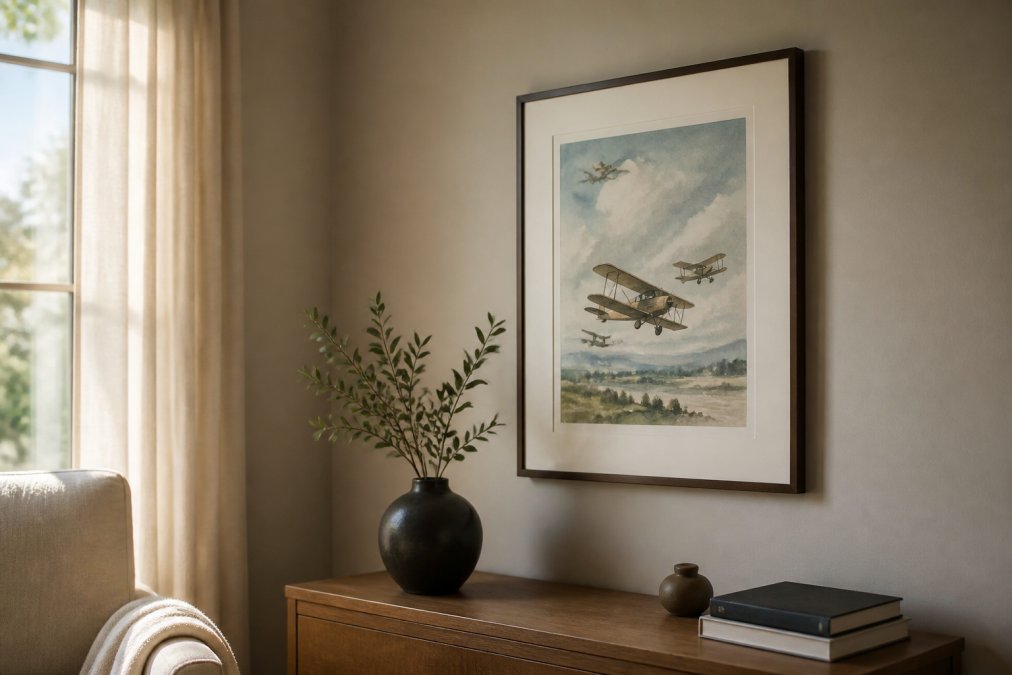
Interior walls away from windows are ideal. East-facing and west-facing walls receive direct sunlight at certain times of day, morning and afternoon, respectively. North-facing walls receive indirect light year-round and are the safest choice for valuable prints. South-facing walls are the worst option in most climates, as they receive the most intense, prolonged sunlight.
If your space doesn't offer a north-facing wall, create shade. Hang curtains or install a shade that you can close during peak sunlight hours. This simple habit extends the life of your artwork dramatically. It's not about keeping your space dark, it's about preventing direct rays from striking the print surface.
Room orientation matters too. Artwork in hallways or interior rooms experiences less light fluctuation than artwork in main living areas. Consider rotating valuable pieces between display and storage if you have the space. This breaks up light exposure over time and is a technique used by museums and collectors.
Step 4: Control Humidity and Temperature
Environmental stability is critical for long-term preservation. Fluctuations in temperature and humidity cause physical stress on paper, canvas, and framing materials, leading to warping, cracking, and accelerated fading.
The ideal environment maintains a stable temperature between 60-70°F and a relative humidity of 40-50%. These conditions minimize thermal expansion and contraction of materials while preventing moisture absorption or loss. Sudden shifts, like moving a framed print from a cold garage to a warm living room, stress the materials and can cause visible damage.
In practice, most homes don't achieve museum-quality climate control, and that's acceptable. What matters is stability rather than perfection. A consistently warm room is better than one that swings between 50°F and 75°F. A moderately humid room is better than one that alternates between dry and damp.
Avoid hanging artwork directly above heating vents, radiators, or air conditioning units. These create localized temperature and humidity extremes. Bathrooms and kitchens, where humidity spikes during showers and cooking, are poor choices for valuable prints. Basements and attics, which experience the widest temperature swings, are suitable only for long-term storage with proper protection.
Step 5: Use Archival-Quality Framing Materials
Every component of your frame contributes to preservation or degradation. Archival-quality materials are specifically selected to resist fading and deterioration over decades.
Acid-free matting is essential. Standard matting contains lignin, which yellow over time and can transfer discoloration to your print. Acid-free matting, by contrast, remains stable and neutral. Archival-quality backing boards should also be acid-free and lignin-free. These materials cost slightly more but are non-negotiable for artwork you want to preserve.
The frame itself should be made from materials that don't off-gas harmful chemicals. Wood frames are fine if properly sealed. Metal frames (aluminum, stainless steel) are excellent choices. Avoid cheap plastic frames, which can warp and fail to protect artwork adequately.
Mounting techniques matter. Prints should never be glued directly to backing boards or matting. Instead, use archival mounting corners or hinges that hold the print in place without adhesive. This allows the print to expand and contract with humidity changes without tearing.
If you're framing prints from Oil Painting Prints, Watercolor Art, or other high-quality sources, invest in professional framing with archival materials. The cost is justified by the longevity you gain. A properly framed print can outlive the person who hung it.
Step 6: Proper Storage Techniques for Art Prints
Not all artwork is on display at all times. Proper storage protects prints you're rotating, storing temporarily, or keeping as backups.
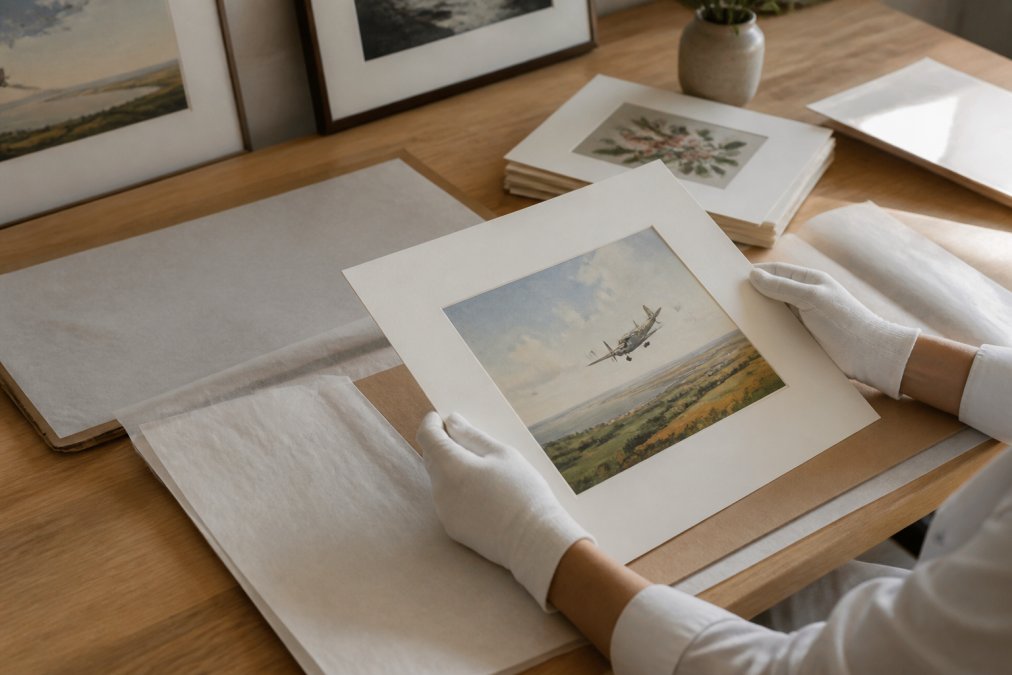
Store prints flat, never rolled. Rolled prints develop creases and can crack along fold lines. Use acid-free tissue paper to separate stacked prints, preventing direct contact that can cause sticking or transfer of ink. Acid-free boxes or archival storage boxes protect prints from dust, light, and environmental fluctuations.
Temperature and humidity control during storage is as important as during display. A climate-controlled closet is better than an attic or basement. If long-term storage is necessary, consider a climate-controlled storage unit designed for artwork.
Never store prints in plastic bags or non-archival containers. Plastic traps moisture and can cause mold or mildew. Acid-free kraft paper and cardboard are safe alternatives. Label storage boxes clearly so you know what's inside without opening them repeatedly.
For digital files of your artwork, whether they're scans of original prints or digital downloads, back them up to multiple locations. Digital preservation ensures you can reprint artwork if physical copies are damaged. This is especially valuable for artwork with sentimental value.
Step 7: Monitor and Maintain Your Framed Artwork
Prevention is the primary strategy, but monitoring ensures you catch problems early. Regular inspection takes minutes but can save artwork from irreversible damage.
Check framed prints quarterly for signs of fading, discoloration, or physical damage. Look for yellowing of matting or backing, warping of the frame, or condensation inside the glass. These are early warning signs that environmental conditions need adjustment.
Dust accumulation degrades artwork over time. Gently clean the glass or acrylic with a soft, lint-free cloth. Never use commercial glass cleaners, which can seep into the frame and damage the print. Distilled water on a microfiber cloth is sufficient.
If you notice fading or damage, consult a professional conservator. Restoration of faded prints is possible in some cases. Early intervention prevents minor issues from becoming major damage.
Keep records of when you framed artwork and what materials were used. This information is invaluable if you ever need restoration or reframing. A simple spreadsheet or photo inventory with notes serves this purpose.
| Maintenance Task | Frequency | What to Check |
|---|---|---|
| Visual inspection | Quarterly | Fading, discoloration, warping, condensation |
| Gentle dusting | Every 6 months | Glass/acrylic surface, frame edges |
| Environmental check | Monthly | Room temperature, humidity, light exposure |
| Storage condition review | Annually | Stored prints for mold, moisture, pest damage |
Protecting your artwork from fading doesn't require museum-grade conditions or expensive equipment. It requires understanding what causes damage and taking deliberate steps to prevent it. UV-protective glass, strategic placement, stable environmental conditions, and archival framing materials work together to extend the life of your prints by decades.
Whether you're displaying nursery prints, aviation artwork, or gallery pieces, the principles remain the same. Start with UV-protective glazing and proper placement away from direct sunlight. Add environmental stability and archival materials. Monitor regularly. These steps will ensure your artwork, and the memories it represents, remain vibrant for generations.
Get started by evaluating your current display setup. If your prints are framed with standard glass and hung near windows, reframing with UV-protective materials and repositioning them will immediately improve their longevity. For new artwork from quality sources, prioritize archival framing from the start. The investment pays dividends in preservation.
=== FAQ ANSWERS (audit these too, same rules) ===
[1] Q: How can I prevent art print fading without expensive framing? A: Start with UV-protective window film on nearby windows, this blocks up to 99% of harmful ultraviolet rays at a fraction of professional framing costs. Position prints away from direct sunlight, use LED lighting instead of incandescent bulbs (which emit 75% more UV radiation), and maintain stable humidity between 40-50%. These budget-friendly steps dramatically slow fading and protect your prints for decades.
[2] Q: What is the best lighting for art display to prevent fading? A: LED lights are ideal because they emit significantly less UV radiation than traditional incandescent or fluorescent bulbs. Keep ambient light levels moderate, around 150-200 lux is standard for galleries. Avoid spotlights that concentrate heat and UV exposure directly on artwork. If displaying near windows, use UV-filtering window treatments or keep prints at least 6 feet away from direct sunlight exposure.
[3] Q: How long do art prints last with proper UV protective glass for framing? A: With UV-protective glazing, many high-quality giclee prints can last over 100 years under typical display conditions. Metal prints last 60+ years, while acrylic prints typically last 40-50 years. Standard paper prints without UV protection fade noticeably within 15-25 years. UV-filtering glass blocks roughly 97-99% of UV rays, making it the single most effective way to extend print longevity.
[4] Q: How should I store art prints to prevent fading and damage? A: Store prints flat in acid-free boxes or sleeves in a cool, dry location with stable temperature (60-70°F) and relative humidity of 40-50%. Avoid basements prone to moisture and attics with temperature fluctuations. Keep prints away from direct sunlight, heat sources, and areas exposed to dust or pollutants. Never store prints rolled or in plastic, use archival-quality materials instead. Proper storage conditions can preserve prints for centuries.
Frequently Asked Questions
How can I prevent art print fading without expensive framing?
Start with UV-protective window film on nearby windows, this blocks up to 99% of harmful ultraviolet rays at a fraction of professional framing costs. Position prints away from direct sunlight, use LED lighting instead of incandescent bulbs (which emit 75% more UV radiation), and maintain stable humidity between 40-50%. These budget-friendly steps dramatically slow fading and protect your prints for decades.
What is the best lighting for art display to prevent fading?
LED lights are ideal because they emit significantly less UV radiation than traditional incandescent or fluorescent bulbs. Keep ambient light levels moderate, around 150-200 lux is standard for galleries. Avoid spotlights that concentrate heat and UV exposure directly on artwork. If displaying near windows, use UV-filtering window treatments or keep prints at least 6 feet away from direct sunlight exposure.
How long do art prints last with proper UV protective glass for framing?
With UV-protective glazing, many high-quality giclee prints can last over 100 years under typical display conditions. Metal prints last 60+ years, while acrylic prints typically last 40-50 years. Standard paper prints without UV protection fade noticeably within 15-25 years. UV-filtering glass blocks roughly 97-99% of UV rays, making it the single most effective way to extend print longevity.
How should I store art prints to prevent fading and damage?
Store prints flat in acid-free boxes or sleeves in a cool, dry location with stable temperature (60-70°F) and relative humidity of 40-50%. Avoid basements prone to moisture and attics with temperature fluctuations. Keep prints away from direct sunlight, heat sources, and areas exposed to dust or pollutants. Never store prints rolled or in plastic, use archival-quality materials instead. Proper storage conditions can preserve prints for centuries.
This article was written using GrandRanker