 blog
blog
Ideas for a Nursery: Design & Decor for Every Style
Table of Contents
- Ideas for a Nursery: Starting With Your Foundation
- Nursery Wall Art Ideas That Set the Mood
- Gender-Neutral Nursery Ideas for Modern Parents
- Timeless Nursery Ideas That Grow With Your Child
- Nursery Must-Haves: Furniture, Lighting, and Textiles
- Color Palettes and Paint: Creating a Calming Space
- Storage and Organization Without Sacrificing Style
- Frequently Asked Questions
Last Updated: October 10, 2026
Ideas for a Nursery: Starting With Your Foundation
Creating a nursery is one of the most exciting design projects you'll undertake as a parent. Thoughtful planning matters more than trends.
When designing ideas for a nursery, ask yourself what you want this room to feel like, calm and restful, playful and imaginative, or modern and minimal. Your answer shapes every choice that follows.
The best nurseries balance beauty with function, tell a story, grow with the child, and reflect the family's values, not just what's popular on social media.
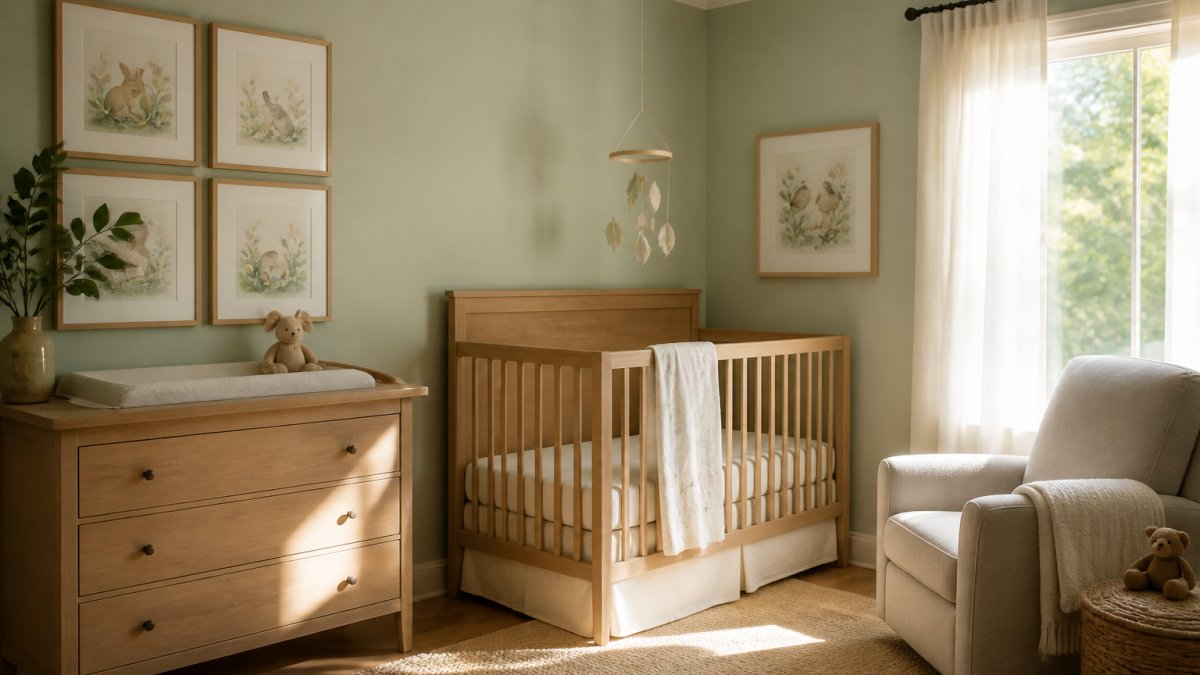
The foundation of any strong nursery design begins with three elements: light, color, and purpose. Get these right, and everything else falls into place.
Nursery Wall Art Ideas That Set the Mood
Wall art is the fastest way to set a nursery's emotional tone and teaches your child what beauty looks like.
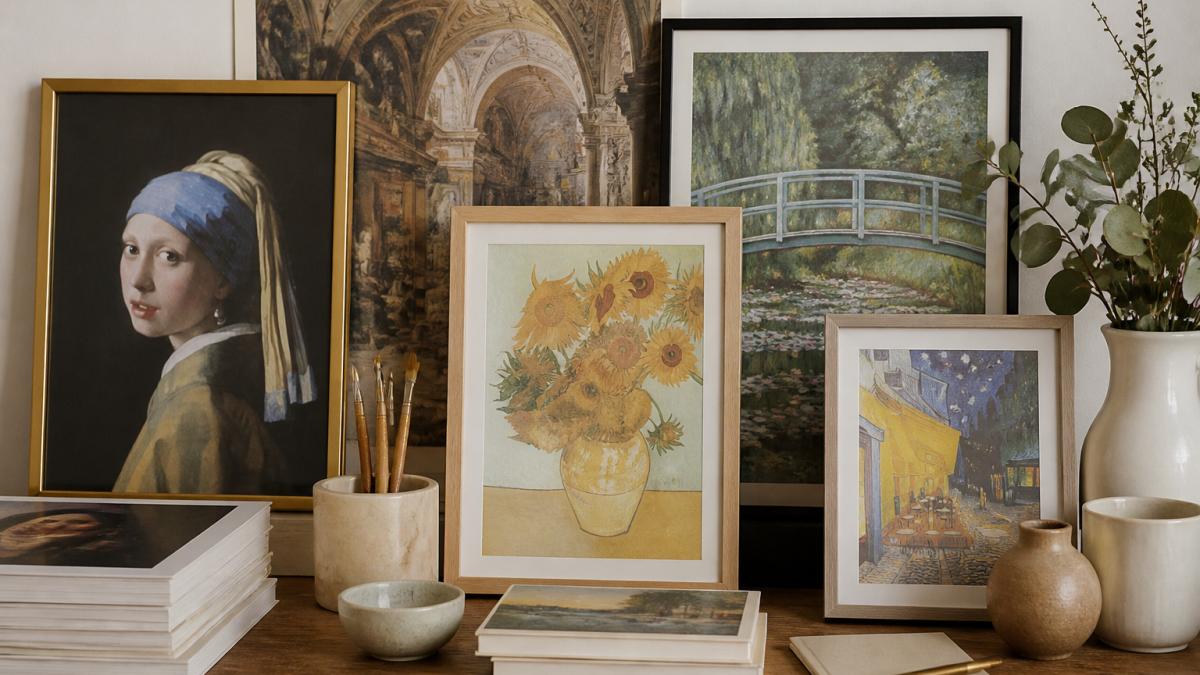
Nursery wall art works best when it reflects your family's personality, whether animals, nature, historical themes, vintage charm, or geometric patterns. Choose art you genuinely love and will still want to see five years from now.
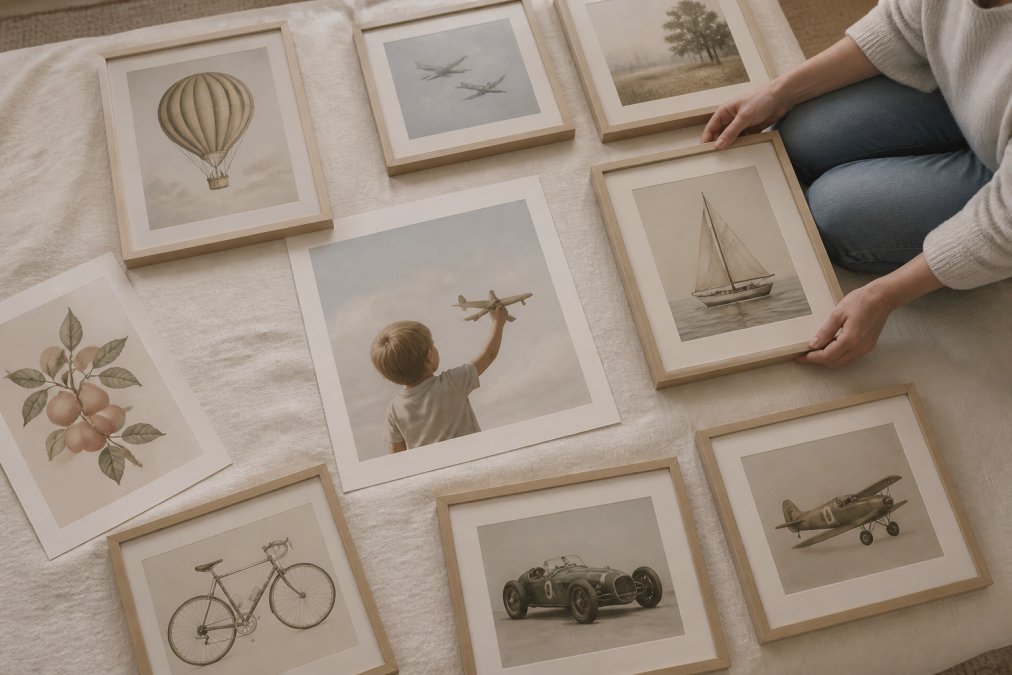
Layer different scales of art: a larger statement piece above the crib and smaller prints on adjacent walls add depth. Watercolor brings softness; oil painting adds richness. The medium matters as much as the subject.
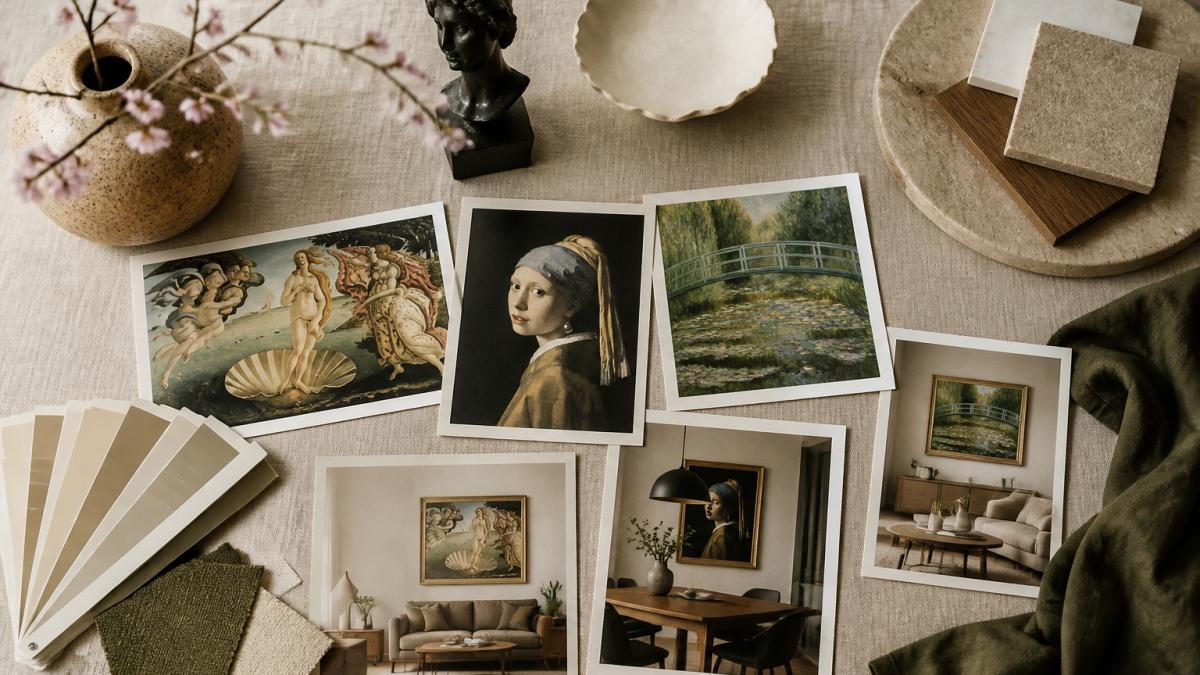
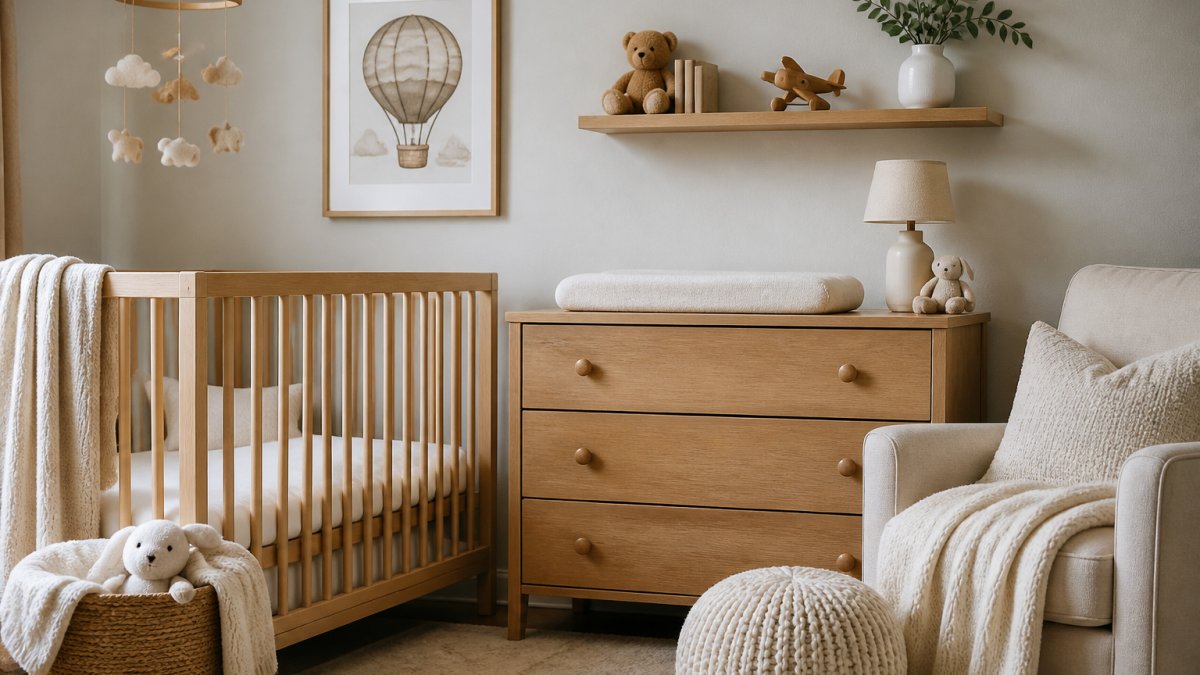
Timeless art inspired by art history, vintage illustration, or classic themes outlasts trendy character prints. A beautiful hot air balloon or vintage airplane print can stay on the wall from nursery through childhood.
Gender-Neutral Nursery Ideas for Modern Parents
Gender-neutral nursery ideas have moved far beyond pale yellow and gray, today's spaces are bold, intentional, and deeply personal.
Start with color: soft sage, warm cream, gentle blue, or muted terracotta create calm, sophisticated backdrops. Layer in texture through natural materials, wood, linen, rattan, to bring the space alive.
Art plays a crucial role in gender-neutral design. Choose subjects that spark curiosity, hot air balloons, vintage trains, botanical illustrations, celestial themes, or animals. These ideas for a nursery appeal to any child and age beautifully.
Choose furniture in natural wood or simple lines to keep focus on art and textiles. Avoid heavily themed pieces that lock you into a single aesthetic. A simple crib, wooden bookshelf, and rattan basket create a flexible foundation.
Timeless Nursery Ideas That Grow With Your Child
The best nursery design investment is choosing timeless nursery ideas that transition smoothly from baby room to child's bedroom, saving money and reducing waste.
Timeless nursery ideas rely on classic elements: quality furniture in natural materials, neutral wall colors, and art with staying power. Choose vintage botanical prints over licensed characters, solid wood over particleboard, and sophisticated patterns over cutesy designs.
Wall art is where timeless nursery ideas shine. A beautiful aviation print, classic landscape, or art-history-inspired piece works in a nursery, stays relevant through elementary school, and fits naturally in a tween's room.
Good design allows the room to evolve: removing the changing table for a desk, converting the crib to a bed, and swapping textiles without repainting.
Nursery Must-Haves: Furniture, Lighting, and Textiles
Every functional nursery needs safe sleep furniture, adequate lighting, and soft furnishings. Beyond what to buy, the how and where matter just as much.
Safe sleep furniture and placement starts with a quality crib or bassinet in natural wood or simple metal. A firm mattress, fitted sheets, and a sleep sack are all you need; skip bumpers and excess bedding. Position the crib at least 2 feet from windows and away from cords and wall-mounted fixtures. Anchor all furniture to the wall with appropriate brackets.
Lighting serves multiple purposes. A dimmer switch on overhead lights helps during nighttime feedings. A soft nightlight positioned low and away from the crib provides visibility without overstimulation. Blackout shades control light for naps; sheer curtains filter harsh sunlight during the day. Layer lighting, overhead, task lighting near the changing table, and ambient nightlight, for flexibility throughout the day.
Textiles add warmth without clutter. A quality area rug (at least 5 by 8 feet) defines the space and helps with sound absorption; choose washable, low-pile options. Linen or cotton curtains in neutral tones frame the window and control light. A throw blanket over a chair completes the picture.
Room layout and circulation are essential. Position the crib with at least 2 feet of walking space around it. Place the changing table or dresser near an outlet and within reach of storage. Position a comfortable chair to view the crib without strain. Keep the center clear to avoid tripping during nighttime care. For small spaces, use multi-functional furniture: a dresser that doubles as a changing table, or a chair that folds or nests.
Low-toxicity materials and sensory considerations matter. Choose low-VOC paint to reduce off-gassing. Select crib mattresses and bedding made from organic cotton or natural materials when possible. Ensure adequate ventilation, a window or exhaust fan helps reduce humidity. If your baby is sensitive to sound or light, blackout shades and a white noise machine are practical investments.
| Essential Item | Purpose | Placement/Spec | Priority |
|---|---|---|---|
| Quality crib or bassinet | Safe sleep foundation | 2 feet from windows and cords; anchored to wall | Must-have |
| Firm mattress and fitted sheets | Safe sleep support | Organic cotton or natural materials preferred | Must-have |
| Dimmer switch or soft lighting | Nighttime visibility | Overhead dimmer + low nightlight away from crib | High |
| Area rug | Comfort, definition, sound absorption | 5×8 feet minimum; washable, low-pile | High |
| Blackout shades | Light control and sleep support | Cordless or cord-managed; allows nap flexibility | High |
| Bookshelf or storage | Organization and display | Anchored to wall; 2-3 feet from crib | Medium |
| Comfortable chair | Feeding and bonding | Positioned to view crib; 3×3-foot footprint | Medium |
| Dresser or changing table | Organization and care | Near outlet; within reach of supplies | Medium |
Color Palettes and Paint: Creating a Calming Space
The wall color you choose sets the mood for everything else in the nursery. It's the backdrop for your art, the canvas for your design story.
Calming color palettes for nurseries typically include soft, muted tones. Sage green brings nature indoors without being overstimulating. Warm cream feels classic and never dates. Soft blue evokes calm without feeling cold. Muted terracotta or dusty rose add warmth and personality.
The key is choosing a color you genuinely love. You'll see it every day. It needs to feel right to you, not just on trend.
Consider how light changes the color throughout the day. A color that looks perfect in afternoon sunlight might feel different in early morning or evening. Visit the room at different times before committing.
Many parents choose one wall as an accent and keep others neutral. This approach lets you experiment with color without overwhelming the space. A soft patterned wallpaper on one wall, paired with paint on the others, adds visual interest.
Avoid bright, saturated colors that overstimulate. The nursery should feel like a refuge, a place where your child can rest and feel safe. Your color palette should support that feeling.
Storage and Organization Without Sacrificing Style
A cluttered nursery feels chaotic. Smart storage keeps essentials accessible while maintaining the calm aesthetic you've worked to create. But storage doesn't have to be expensive, and the best approach depends on your budget and what you actually need to store.
Budget-conscious storage strategy starts with honest assessment. Before buying anything, list what you need to store: diapers, wipes, clothes (by size), bedding, toys, books, and supplies. Then choose your storage tier.
Budget tier ($100-$300): Open shelving displays a few favorite toys and books. Cardboard storage boxes or plastic bins in neutral colors (white, gray, natural kraft) slide under the crib or dresser and cost $5-$15 each. Rattan or woven baskets from discount retailers ($15-$40 each) add warmth and texture while containing clutter. A simple closet rod and hangers organize clothes by size.
Mid-range tier ($300-$700): A dedicated dresser or low cabinet ($150-$300) provides closed storage for diapers, wipes, and supplies. Open shelving on one wall ($100-$200) displays books and a few toys. Quality rattan or wooden baskets ($20-$50 each) in 3-4 sizes create a cohesive look. A closet organizer system with shelves and bins ($100-$200) maximizes vertical space.
Higher-end tier ($700+): Custom built-in shelving, a dedicated changing dresser with integrated storage, and a complete closet system. This approach is ideal if you plan to use the room for multiple children or want the space to grow seamlessly into a child's bedroom.
Step-by-step implementation prevents overwhelm and helps you prioritize.
-
Measure and map. Take photos of your nursery from all angles. Measure the closet, walls, and under-bed or under-crib space. Note where outlets and light switches are. Sketch a simple floor plan showing where storage will go.
-
Choose your anchor. Start with one piece, a dresser, a bookshelf, or a closet system. This becomes your storage hub. Everything else builds around it.
-
Add containers. Once your anchor is in place, add baskets, bins, or boxes. Label everything clearly. You'll know where things are. Visitors will know where to find what they need. It makes nighttime changes easier when you're half asleep.
-
Organize by category and frequency. Keep daily-use items (diapers, wipes, sleep clothes) in the most accessible spot. Seasonal items (heavier blankets, larger sizes) go higher or deeper. Books and toys that your child will use later can be stored in a closet or under-bed container.
-
Maintain breathing room. Don't fill every corner. A few carefully chosen pieces displayed on a shelf, a basket of blankets in the corner, and a dresser that holds what you actually use create a space that works without feeling cluttered.
Material choices that balance style and durability. Rattan and woven baskets add warmth and fit naturally into timeless nursery ideas, but they collect dust. Choose baskets with removable, washable liners if possible, or plan to vacuum them monthly. Wooden bins are durable and age beautifully, but solid wood is expensive; plywood or MDF alternatives ($20-$60 per bin) look similar and cost less.
The goal isn't perfection or Instagram-worthy organization. It's function that feels beautiful and works for your family's actual needs. A storage system you'll actually use and maintain is worth far more than a perfectly styled but impractical setup.
Frequently Asked Questions
What are some unique nursery ideas that won't feel dated in a few years?
Focus on timeless elements: neutral or soft color foundations, quality furniture with clean lines, and art that speaks to your family's story rather than fleeting trends. Botanical prints, aviation themes, and vintage-inspired pieces tend to age gracefully. Layer in personality through textiles and smaller decor items you can easily swap out as your child grows, keeping the room's bones classic and enduring.
How do I choose nursery wall art ideas that match my modern aesthetic?
Look for art with bold lines, minimalist compositions, or abstract elements in a cohesive color palette. Modern nurseries often pair neutral walls with striking artwork, think geometric patterns, nature-inspired prints with clean execution, or contemporary takes on classic subjects. Choose pieces that feel intentional rather than decorative, and consider how the art will transition as your child moves into a toddler room or bedroom.
What are the key nursery must-haves I shouldn't skip?
Essentials include a safe crib, blackout curtains or shades for sleep, soft lighting (dimmable options work well), a comfortable chair for feeding or nighttime care, storage for supplies, and a rug to define the space and add warmth. Beyond function, thoughtful wall art and textiles create the emotional foundation of the room, these pieces transform it from a functional space into a sanctuary.
How can I design a gender-neutral nursery ideas space that feels personal?
Start with a neutral color palette, soft grays, warm whites, or gentle earth tones, then add personality through art, patterns, and decor that reflect your family's interests or values. Consider themes like nature, animals, aviation, or art history rather than gendered motifs. Layering textures, adding a meaningful rug, and selecting art that tells your story creates a space that feels uniquely yours while remaining adaptable as your child grows.