 ultimate-guide
Why Invest in Heirloom Quality Art: A 2026 Buyer's Guide
Table of Contents
- What Is Heirloom Art and Why It Matters
- The Emotional Case: Art Worth Investing In Beyond Money
- Archival Art Prints: A Checklist for Assessing Quality
- How to Frame Art for Longevity and Display
- Conservation, Storage, and Maintenance for Lasting Value
- The Financial Case: Appreciation, Risk, and Realistic Valuation
- Building a Family Legacy Through Art
- Frequently Asked Questions
Last Updated: October 13, 2026
What Is Heirloom Art and Why It Matters
Heirloom art is artwork created and finished with materials and methods intended to survive generations, not just seasons. It combines archival-grade substrates, pigment stability, and careful framing so a piece can be handed down rather than replaced. At Runway & Heirloom, our prints are made to be lived with, then passed on. When people ask why invest in heirloom quality art, the honest answer starts here. It is not a financial instrument first. It is a physical object designed to outlast trends, moves, and redecorating cycles. That durability is what separates a print you keep from one you eventually discard.
The Emotional Case: Art Worth Investing In Beyond Money
The strongest case for art worth investing in is emotional, and the research supports that framing. Stanford Graduate School of Business researchers concluded that people should buy paintings because they enjoy looking at them, not to make money (EXTERNAL_LINK: Stanford GSB research on art as an investment | gsb.stanford.edu). That is not a dismissal of value. It is a correction of priorities.
Research from the University of Cambridge Judge Business School describes collectibles such as art and wine as delivering positive emotional returns alongside potentially lower financial returns (EXTERNAL_LINK: University of Cambridge Judge Business School study on collectibles | jbs.cam.ac.uk). In practice, this means the daily pleasure of a piece is the return you can count on.
Why the Emotional Return Compounds
Most guides stop at 'buy what you love.' The more useful question is why that return holds up over decades when financial returns often do not. Three mechanisms do the work:
- Repeated exposure. You see a piece on your wall hundreds of times a year. Each viewing is a small, free dose of the pleasure you bought it for. A financial asset delivers nothing until you sell it; a piece you love pays out daily.
- Anchoring to memory. A specific artwork becomes a retrieval cue for a time, a place, or a person. A first-flight print for a pilot, a nursery watercolor for a newborn, a classic car piece for a retiree, each one carries a story that strengthens with retelling rather than fading.
- Narrative transfer. When you hand a piece down, you hand down the story with it. That is what makes it an heirloom rather than a decoration, and it is a return no index fund can replicate.
The Trade-Off You Are Actually Making
Being honest about the emotional case means naming what you give up. Money spent on art is money not invested in liquid assets, and the emotional return does not pay for a roof repair or a tuition bill. The trade-off is real, and it is the right one for many buyers, but only if it is a deliberate choice rather than a rationalization.
The practical test: if the piece were worth nothing on resale tomorrow, would you still be glad it is on your wall? If yes, the emotional case is doing its job. If no, you are buying an investment, and the financial section above is the one that matters.
Archival Art Prints: A Checklist for Assessing Quality
Archival art prints are prints produced with pigment-based inks on acid-free, lignin-free paper or canvas, then framed with materials that will not degrade the artwork. Most buyers never see this checklist, which is why so many prints yellow or fade within a few years.
Use this before you buy:
- Paper or canvas is labeled acid-free and lignin-free
- Inks are pigment-based rather than dye-based
- The seller states an expected display life under glass
- Matting is described as archival or cotton rag
- Mounting avoids permanent adhesives
- A certificate of authenticity or edition details are provided
- Shipping uses rigid, corner-protected packaging
If a listing cannot answer four of these seven, treat the print as decorative rather than heirloom.
Materials That Support Generational Longevity
Pigment inks resist fading far better than dye inks, and cotton rag papers hold up where acidic wood-pulp papers break down. Canvas adds surface texture but needs a protective finish. The material choices matter more than the subject matter when generational longevity is the goal. Ask what the piece is printed on before you ask what it depicts.
How to Frame Art for Longevity and Display
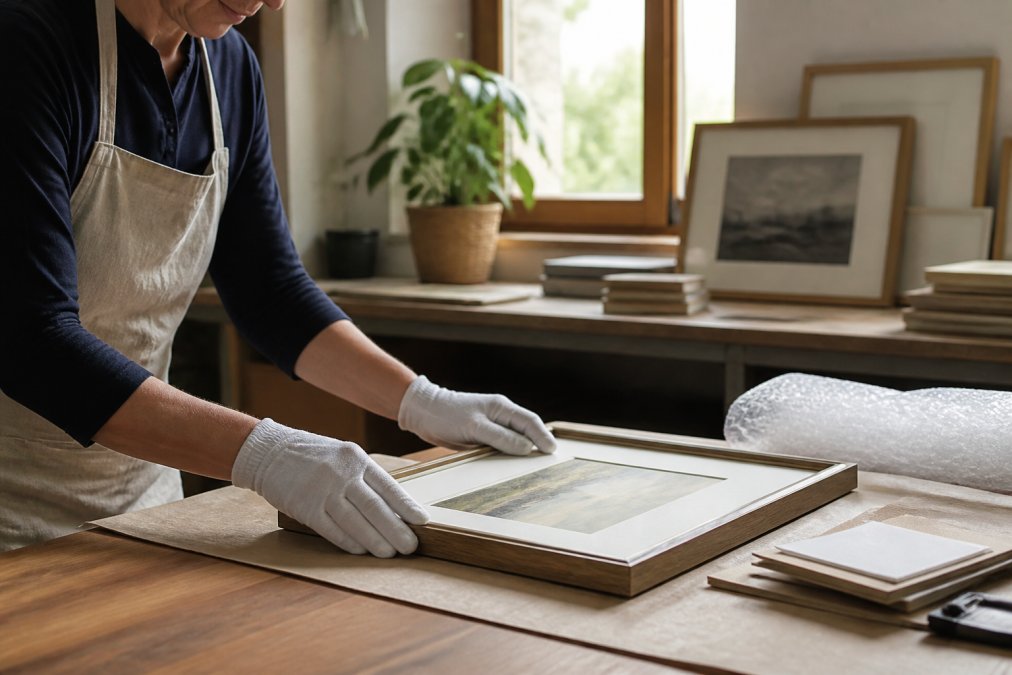
Framing is where good prints get ruined. Ultraviolet-filtering glazing, acid-free matting, and a sealed backing board do most of the protective work. Avoid pressing artwork directly against glass; condensation and sticking damage the surface over time.
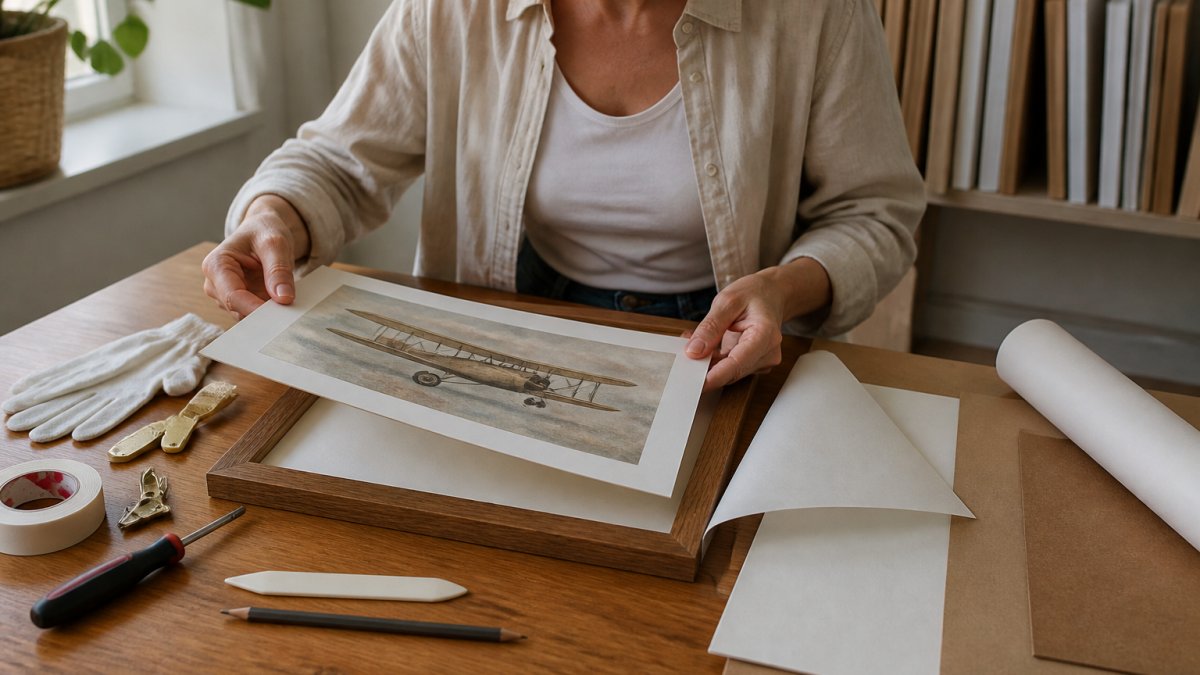
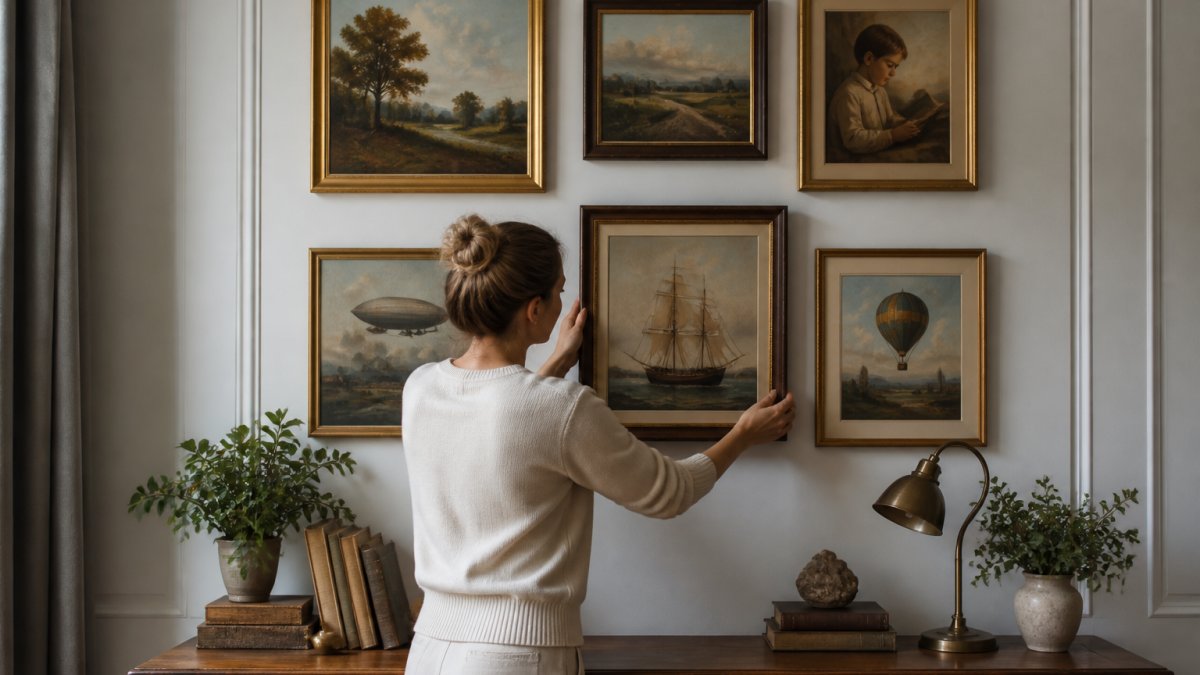
Hang away from direct sunlight and heat sources. Rotate pieces seasonally if a wall gets strong afternoon light. When you reframe, replace old acidic backing rather than reusing it.
Conservation, Storage, and Maintenance for Lasting Value
Conservation is simpler than most owners expect, and it is the difference between a piece that holds its condition and one that does not. Dust with a dry, soft cloth. Never spray cleaner onto glazing. Store unframed works flat, interleaved with acid-free tissue, in a cool, dry space away from basements and attics.
Provenance records matter here. Keep receipts, edition numbers, and any certificate of authenticity together. Condition and documented ownership are the two things appraisers and insurers ask for first, and both are easy to lose and hard to reconstruct.
The Financial Case: Appreciation, Risk, and Realistic Valuation
Monetary appreciation is possible but uneven, and honesty about investment risk serves buyers better than optimism. The Cambridge research is explicit that financial returns on collectibles can be lower than emotional ones. What almost no guide explains is the total cost of ownership, the carrying costs that quietly erase any paper gain. Before you treat a piece as an asset, run the math.
The Total Cost of Ownership
A framed print is not a one-time purchase. Over a decade or two of ownership, these costs accumulate:
- Framing and glazing. Custom archival framing with UV-filtering glazing commonly runs several times the cost of an unframed print. A piece bought for a few hundred dollars can carry framing costs that rival or exceed the artwork itself.
- Insurance. Fine-art riders on a homeowner's or renter's policy typically require an appraisal above a threshold value, and appraisals cost money and expire. Below that threshold, most policies cap coverage for collectibles, so a loss may not be fully reimbursed.
- Shipping and handling. Insured, rigid, corner-protected shipping is expensive, and it is a recurring cost every time a piece moves, to a new home, a conservator, or a buyer.
- Conservation. Reframing, replacing acidic backing, or treating foxing and fading is a professional expense, not a DIY task, once damage sets in.
- Resale costs. Auction houses and galleries take commissions, and online marketplaces take listing and transaction fees. Those come out of the sale price before you see a dollar.
Add those up and a piece that 'appreciated' on paper can net a loss in practice. That is the honest version of the financial case.
Why Liquidity Is the Real Constraint
Art is an illiquid asset. Selling a print takes time, often months, and the price you get depends on factors you do not control:
| Factor | Strengthens Resale Value | Weakens Resale Value |
|---|---|---|
| Edition | Limited, numbered | Open edition, unlimited |
| Condition | Flawless, original frame | Fading, water damage |
| Provenance | Receipts and certificate kept | No documentation |
| Artist reputation | Established, sought-after | Unknown or inactive |
| Market timing | Active buyer demand | Thin or cold market |
Notice that four of those five factors are set at the moment of purchase or shortly after. You cannot improve edition size or artist reputation later. You can only protect condition and provenance, which is why the conservation and documentation habits in the previous section are also financial decisions.
Separating Heirloom Value From Investment Return
Heirloom value and investment return are two different ledgers, and conflating them is the most common mistake buyers make.
- Heirloom value is the pleasure, meaning, and continuity a piece delivers, the return you can actually count on, every day it hangs on your wall.
- Investment return is the change in resale price minus every cost of ownership. It is uncertain, slow, and often negative for works by unknown or inactive artists.
A realistic valuation starts with comparable sales for the same artist and edition, adjusted for condition and provenance, not with the original purchase price. If you cannot find recent comparables, assume the resale market is thin and price your expectations accordingly. Qualified appraisers, auction records, and gallery archives are the places to look; a seller's optimistic estimate is not a valuation.
Building a Family Legacy Through Art
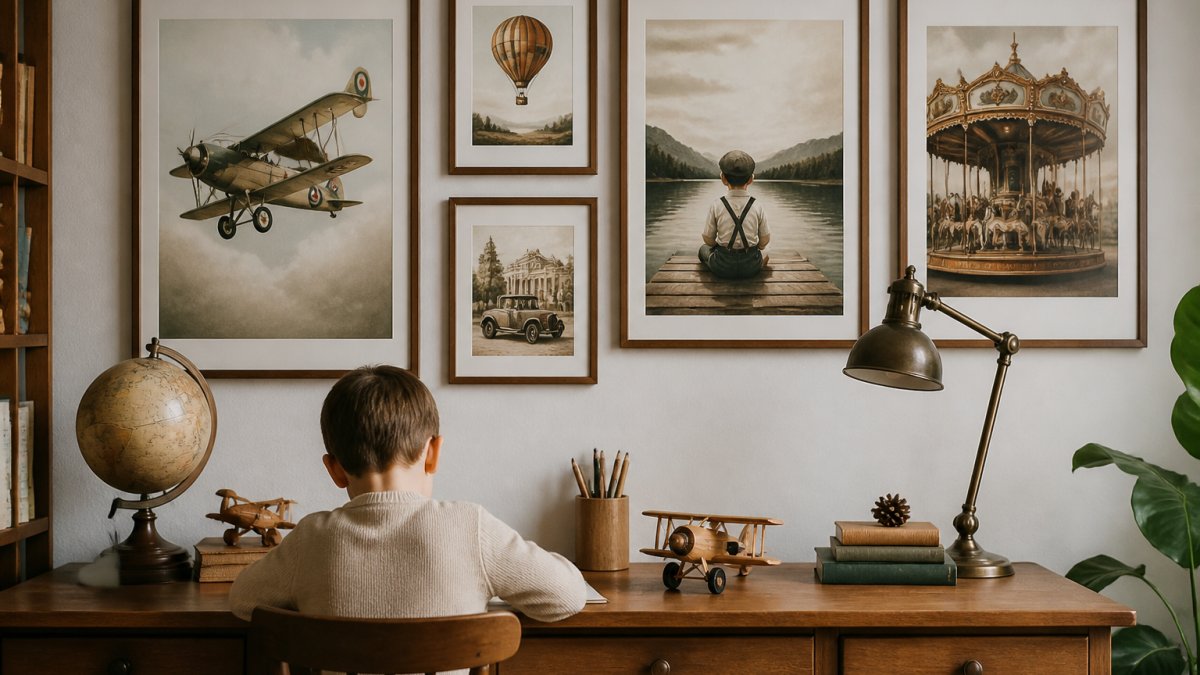
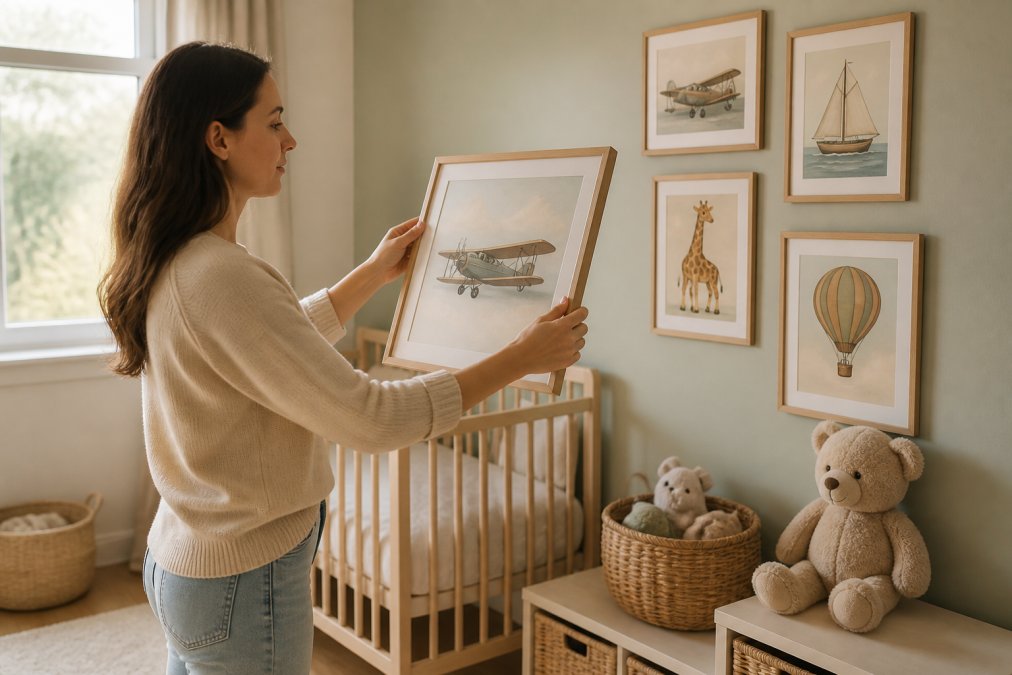
A family legacy is built piece by piece, and art is one of the few possessions that carries a story with it. A first-flight print for a pilot, a nursery watercolor for a newborn, a classic car piece for a retiree: each becomes a marker of a person and a moment.
At RunwayandHeirloomArt, our prints are made for exactly this kind of stewardship, from EXTERNAL_LINK: guidance on archival framing and materials | loc.gov to the subjects themselves. Our watercolor nursery art and historic aviation prints are designed to be displayed now and passed down later, and our greeting cards offer a lower-commitment way to start a collection for someone else. Choose pieces that mean something, frame them properly, and document them. The rest takes care of itself.
Frequently Asked Questions
What is heirloom art?
Heirloom art is artwork created with materials and craftsmanship intended to last for decades or generations. It typically uses archival paper, pigment-based inks, and proper framing to resist fading and deterioration. Unlike decorative prints, heirloom art is meant to be passed down, carrying sentimental value and often retaining or growing in monetary worth over time.
Does heirloom quality art have to increase in monetary value?
No. Research from Stanford Graduate School of Business suggests people should buy art because they enjoy looking at it, not primarily to make money. A University of Cambridge Judge Business School study from 2026 found collectibles like art can deliver positive emotional returns alongside potentially lower financial returns. Appreciation is possible but not guaranteed, so emotional value should be the primary reason to buy.
How can you tell whether a piece of art is heirloom quality?
Check for archival materials: acid-free paper, pigment-based inks, and a certificate of authenticity. Ask about the edition size and the artist's reputation. Look for proper framing with UV-protective glass and acid-free matting. A piece made with high-quality materials and documented provenance is more likely to survive generations without fading or damage.
How should you care for art you want to pass down?
Keep art out of direct sunlight and away from humidity extremes. Dust gently with a soft brush. Use UV-protective glass and acid-free backing when framing. Store unframed pieces flat in archival folders. For valuable works, consult a conservator every few years. Proper care preserves both the condition and the resale value of the piece.
Art that lasts requires decisions most buyers make once and rarely revisit: the paper, the ink, the frame, the record you keep. Get those right and a print becomes a possession your family argues over in the best way. RunwayandHeirloomArt curates prints with that lifespan in mind, spanning watercolor nursery art, historic aviation prints, and art-history-inspired pieces built to be displayed and handed down. Explore the collection and choose a piece that becomes part of your story.